


Damascus steel knives have long held a place of reverence in the world of cutlery, renowned for their distinctive patterns, historical significance, and exceptional performance. As a supplier of these remarkable blades, I often encounter questions from customers about their suitability for various tasks. One query that has emerged with increasing frequency is, "Are Damascus steel knives good for slicing cheese?" In this blog post, I'll delve into the characteristics of Damascus steel knives and explore how they stack up when it comes to the delicate art of cheese slicing.
Understanding Damascus Steel
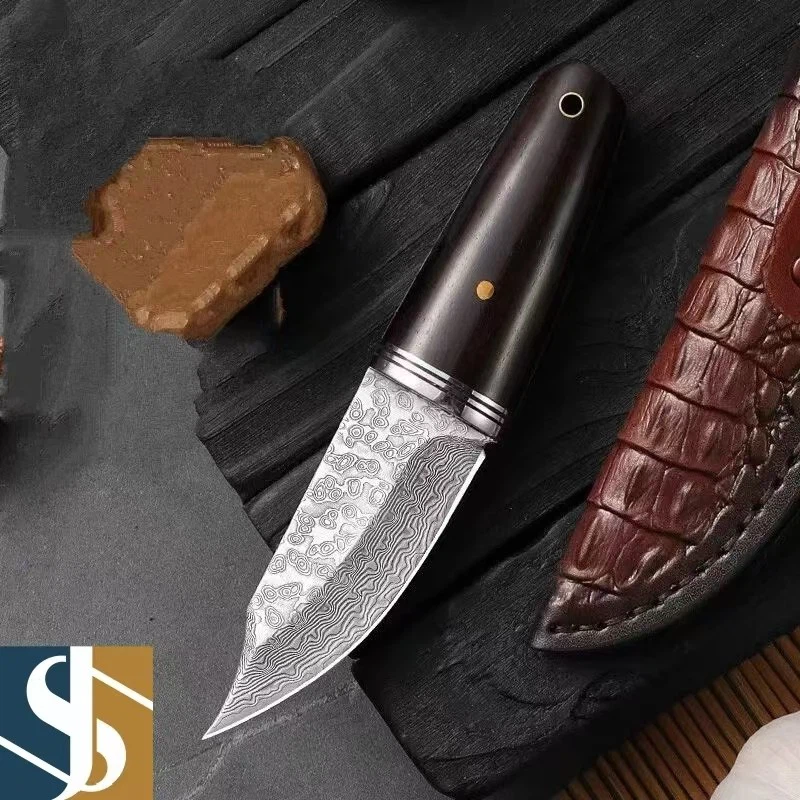
Before we assess the suitability of Damascus steel knives for cheese slicing, it's essential to understand what Damascus steel is and what sets it apart. Damascus steel is a type of steel known for its unique wavy or mottled pattern on the blade's surface. Historically, it was forged using a process that involved folding and welding layers of different steels together, creating a blade with a combination of strength, sharpness, and flexibility.
Modern Damascus steel knives are often made using a similar concept, though the manufacturing processes may vary. Some are crafted by forge-welding multiple layers of high-carbon and stainless steels, while others use a pattern-welding technique to achieve the characteristic pattern. The result is a blade that not only looks stunning but also offers excellent cutting performance.
Key Characteristics of Damascus Steel Knives
Sharpness
One of the most significant advantages of Damascus steel knives is their exceptional sharpness. The multiple layers of steel in the blade create a fine edge that can effortlessly slice through a variety of materials. When it comes to cheese slicing, a sharp blade is crucial for achieving clean, precise cuts without crushing or tearing the cheese. Whether you're slicing a soft, creamy brie or a hard, aged cheddar, a sharp Damascus steel knife will make the task much easier.
Durability
Damascus steel knives are known for their durability. The combination of different steels in the blade provides a balance of hardness and toughness, making the knife resistant to chipping and breaking. This is particularly important when slicing cheese, as the knife may come into contact with hard rinds or other obstacles. A durable Damascus steel knife will maintain its edge and performance over time, ensuring consistent results with every use.

Corrosion Resistance
Many modern Damascus steel knives are made with stainless steel layers, which offer excellent corrosion resistance. This means that the knife is less likely to rust or stain, even when exposed to moisture or acidic substances. When slicing cheese, it's common for the knife to come into contact with cheese juices and other liquids, so corrosion resistance is an important factor to consider. A Damascus steel knife with good corrosion resistance will stay looking and performing its best for years to come.
Aesthetics
In addition to their functional benefits, Damascus steel knives are also highly prized for their aesthetic appeal. The unique patterns on the blade are created by the layering of different steels and are often compared to works of art. A beautiful Damascus steel knife can add a touch of elegance to any cheese board or kitchen countertop, making it a popular choice for both professional chefs and home cooks.
Factors to Consider When Slicing Cheese
Cheese Type
Different types of cheese have different textures and consistencies, which can affect the performance of a knife. Soft cheeses, such as brie, camembert, and goat cheese, are typically more delicate and require a sharp, flexible blade to slice without crushing. Hard cheeses, such as parmesan, cheddar, and gouda, are denser and may require a stiffer blade with a stronger edge. Semi-soft cheeses, such as mozzarella, provolone, and Monterey Jack, fall somewhere in between and can be sliced with a variety of knives.
Knife Design
The design of the knife can also play a role in its suitability for cheese slicing. A long, thin blade is generally better for slicing large wheels of cheese, as it allows for more control and precision. A serrated blade can be useful for cutting through hard or crusty cheeses, as the serrations help to grip the cheese and prevent it from slipping. A flexible blade is ideal for slicing soft cheeses, as it can conform to the shape of the cheese and make clean, even cuts.
Handle Comfort
When slicing cheese, it's important to have a comfortable grip on the knife. A well-designed handle can reduce fatigue and improve control, making the slicing process more enjoyable and efficient. Look for a handle that is ergonomic, fits your hand comfortably, and provides a secure grip. Some Damascus steel knives come with handles made from materials such as wood, bone, or antler, which not only look beautiful but also offer a natural feel and excellent grip.
Are Damascus Steel Knives Good for Slicing Cheese?
Based on the characteristics of Damascus steel knives and the factors to consider when slicing cheese, it's clear that these knives can be an excellent choice for the task. Their sharpness, durability, corrosion resistance, and aesthetic appeal make them well-suited for slicing a variety of cheeses, from soft and creamy to hard and aged.
However, it's important to note that not all Damascus steel knives are created equal. The quality of the steel, the manufacturing process, and the design of the knife can all affect its performance. When choosing a Damascus steel knife for cheese slicing, it's important to look for a knife that is made from high-quality materials, has a sharp edge, and is designed for the specific type of cheese you'll be slicing.
Recommended Damascus Steel Knives for Cheese Slicing
As a supplier of Damascus steel knives, I have a wide range of options available for cheese slicing. Here are a few of my recommendations:
Damascus Steel Ghost Blade
This knife features a long, thin blade with a sharp edge that is perfect for slicing large wheels of cheese. The blade is made from high-quality Damascus steel and has a beautiful ghost-like pattern on the surface. The handle is ergonomic and provides a comfortable grip, making it easy to control the knife while slicing.
Damascus Antlers Handle
This knife combines the beauty of Damascus steel with the natural elegance of antler handles. The blade is sharp and durable, and the antler handle provides a unique and comfortable grip. This knife is ideal for slicing soft and semi-soft cheeses, as the flexible blade can conform to the shape of the cheese and make clean, even cuts.
Damascus Point Knife
This knife has a pointed blade that is perfect for slicing hard and aged cheeses. The blade is made from high-quality Damascus steel and has a strong edge that can easily cut through dense cheese. The handle is ergonomic and provides a secure grip, making it easy to control the knife while slicing.
Conclusion
In conclusion, Damascus steel knives can be an excellent choice for slicing cheese. Their sharpness, durability, corrosion resistance, and aesthetic appeal make them well-suited for the task, and there are a variety of designs and styles available to choose from. Whether you're a professional chef or a home cook, a Damascus steel knife can add a touch of elegance and functionality to your cheese slicing experience.
If you're interested in purchasing a Damascus steel knife for cheese slicing or have any questions about our products, please don't hesitate to contact us. We'd be happy to help you find the perfect knife for your needs and provide you with more information about our selection of Damascus steel knives.
References
- "The Art of Damascus Steel: History, Techniques, and Modern Applications." By [Author Name]. [Publication Name], [Year].
- "Cheese Slicing Techniques and Tools." By [Author Name]. [Publication Name], [Year].
- "The Science of Knife Blades: How Steel and Design Affect Performance." By [Author Name]. [Publication Name], [Year].