


Can an outdoor survival knife be used for skinning animals? This is a question that often arises among outdoor enthusiasts, hunters, and survivalists. As a supplier of outdoor survival knives, I've had numerous conversations with customers about the versatility and functionality of these tools. In this blog post, I'll delve into the topic, exploring whether an outdoor survival knife is suitable for skinning animals, the factors to consider, and some of the best knives for the job from our collection.
The Suitability of Outdoor Survival Knives for Skinning
Outdoor survival knives are designed to be multi - purpose tools. They are built to withstand harsh conditions and perform a variety of tasks in the wild, such as cutting ropes, building shelters, and preparing food. Skinning animals is one of the tasks that many people expect their survival knives to handle.
In general, a good outdoor survival knife can be used for skinning animals. Most survival knives have a sharp blade that can make clean cuts through the animal's skin. The blade length is usually sufficient to work around the body of small to medium - sized animals. However, there are some factors to consider when using a survival knife for skinning.
Factors to Consider
Blade Design
The blade design of a survival knife plays a crucial role in its suitability for skinning. A blade with a drop - point design is often preferred for skinning. The drop - point blade has a lower point and a convex spine, which provides a strong and stable cutting edge. It allows for precise control when making incisions and reduces the risk of puncturing the animal's internal organs.
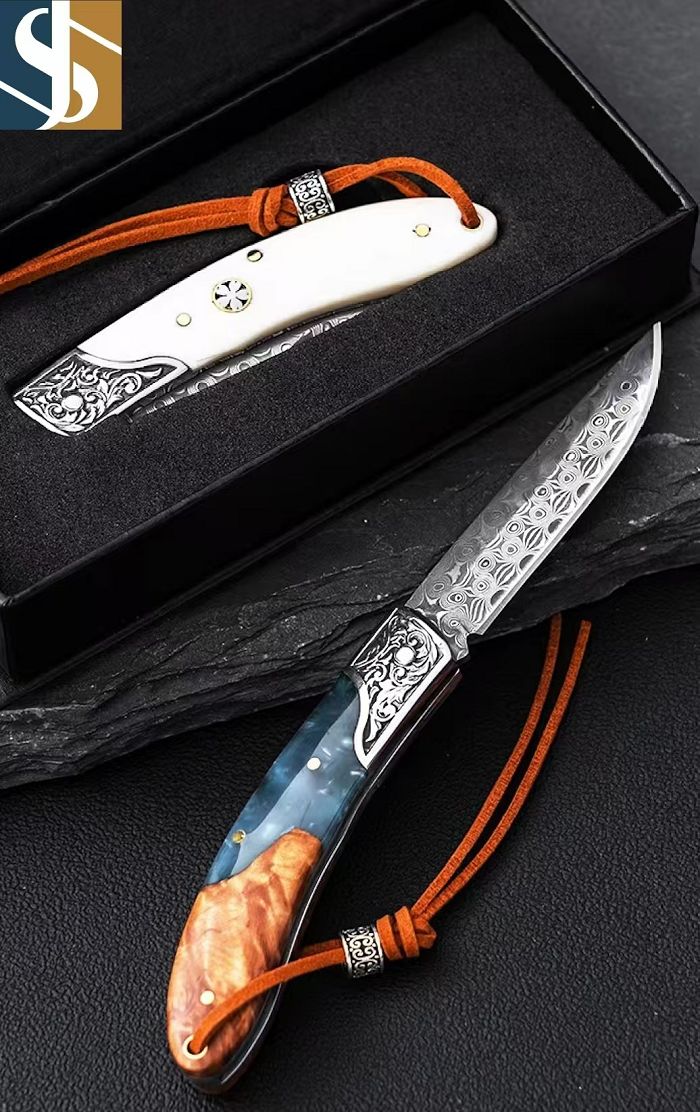
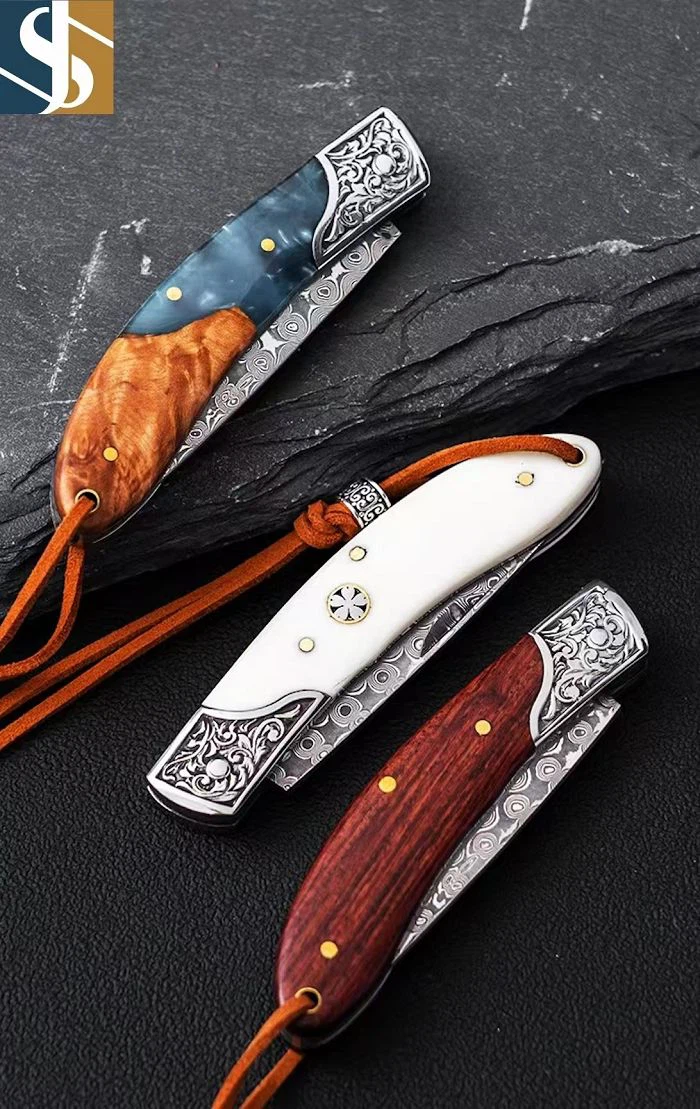
For example, our Rose Wood Handle Knife Damascus features a drop - point blade. The damascus steel blade is not only sharp but also durable, making it a great choice for skinning animals. The rosewood handle provides a comfortable grip, which is essential for long - term use during the skinning process.
Blade Sharpness
Sharpness is key when it comes to skinning animals. A dull blade will make the skinning process more difficult and may tear the skin instead of making clean cuts. Outdoor survival knives are typically sharpened to a fine edge, but it's important to keep the blade sharp during use. A whetstone or a sharpening tool should be carried in the field to maintain the blade's sharpness.
Our Damascus Shell Handle Small Folding Knife has a very sharp damascus steel blade. The small size of the folding knife makes it easy to carry and handle, and the sharp blade can make quick and clean cuts through the animal's skin. It's a great option for those who need a portable knife for skinning small game.
Handle Comfort
Skinning an animal can be a time - consuming process, so a comfortable handle is essential. The handle should fit well in the hand and provide a secure grip, even when the hands are wet or slippery. Materials such as wood, rubber, or synthetic polymers are commonly used for survival knife handles.
The Damascus Bovine Bone Folding Knife has a bovine bone handle that offers a natural and comfortable grip. The bone handle is not only aesthetically pleasing but also provides a good tactile feel, which helps in maintaining control during the skinning process.
Advantages of Using a Survival Knife for Skinning
Versatility
One of the main advantages of using a survival knife for skinning is its versatility. In addition to skinning, a survival knife can be used for other tasks in the field. After skinning the animal, the same knife can be used to cut the meat, prepare a fire, or even defend against potential threats.
Durability
Outdoor survival knives are built to last. They are made from high - quality materials that can withstand the rigors of outdoor use. When skinning animals, the knife may come into contact with bones, cartilage, and other tough materials. A durable survival knife can handle these challenges without losing its edge or breaking.
Limitations of Using a Survival Knife for Skinning
Specialized Skinning Knives
While a survival knife can be used for skinning, specialized skinning knives are designed specifically for this task. Specialized skinning knives often have a thinner blade and a more delicate design, which allows for more precise cuts. They may also have features such as a gut hook, which is useful for opening the animal's abdomen.
Size and Weight
Some survival knives can be relatively large and heavy. This may make them less maneuverable when skinning small animals or in tight spaces. Smaller folding knives, like our Damascus Shell Handle Small Folding Knife, can be more practical in these situations.
Tips for Using a Survival Knife for Skinning
Start with a Clean Incision
Begin the skinning process by making a clean incision around the animal's hind legs or at the base of the neck. Use a gentle sawing motion to cut through the skin, being careful not to cut too deep.
Work Slowly and Methodically
Take your time when skinning the animal. Work in small sections, separating the skin from the meat using the knife's edge. Use the tip of the blade to carefully loosen the skin around the joints and other difficult areas.
Keep the Blade Clean
After each cut, wipe the blade clean to remove any blood, hair, or debris. This will help maintain the blade's sharpness and prevent the buildup of bacteria.
Conclusion
In conclusion, an outdoor survival knife can be used for skinning animals. With the right blade design, sharpness, and handle comfort, a survival knife can perform the skinning task effectively. Our collection of outdoor survival knives, such as the Rose Wood Handle Knife Damascus, Damascus Shell Handle Small Folding Knife, and Damascus Bovine Bone Folding Knife, offers a range of options for those who need a reliable knife for skinning.
If you're interested in purchasing high - quality outdoor survival knives for skinning or other outdoor activities, we invite you to contact us for procurement and negotiation. We're committed to providing our customers with the best products and services.
References
- "The Outdoor Survival Handbook" by John Wiseman
- "Field Guide to Wilderness Survival" by Bradford Angier
- "Survival Knives: A Buyer's Guide" by Knife Magazine