


What is Damascus steel blade? Well, let me tell you, it's like a piece of history and art forged into a cutting - edge tool. I'm a supplier of Damascus steel blades, and I've been in love with these amazing creations for years.
The Origins of Damascus Steel
First off, let's talk about where it all started. Damascus steel has a long and mysterious history. It dates back to around the 3rd century AD, mainly in the Middle East, especially in the city of Damascus, Syria. Back then, blacksmiths were like magicians. They took different types of iron and steel, and through a super - secretive process of forging, folding, and reheating, they created blades that were not only incredibly sharp but also had this unique wavy pattern on the surface.
The exact process was a well - guarded secret. The smiths would use a special type of iron ore, often from India, called wootz steel. They'd melt it down, add some carbon, and then start the long process of hammering and folding. Each fold added more layers, and these layers were what gave the blade its strength and that beautiful pattern.
The Characteristics of Damascus Steel Blades
One of the most obvious features of a Damascus steel blade is its pattern. It looks like flowing water, or sometimes like the ripples on a pond. This pattern isn't just for show; it's a sign of the high - quality craftsmanship. Each blade is unique, just like a fingerprint. No two Damascus steel blades have the exact same pattern.
In terms of performance, these blades are top - notch. They're extremely sharp. The way the layers are forged together means that the blade can hold an edge for a long time. Whether you're using it for hunting, camping, or just as a collectible, a Damascus steel blade will serve you well.
It's also very strong. The multiple layers make the blade resistant to chipping and breaking. Even when you're using it for tough tasks, like cutting through thick ropes or branches, the blade can handle it without losing its shape.
Our Damascus Steel Blade Products
As a supplier, I've got a great range of Damascus steel blade products. Take the Damascus Steel Ghost Blade for example. This blade has a sleek and modern design. The ghost - like pattern on the blade is really eye - catching. It's perfect for collectors who are looking for something a bit different.
Then there's the Damascus Mini Samurai Sword. It's a smaller version of the traditional samurai sword, but it still packs a punch. The blade is sharp and the handle is comfortable to hold. It's great for display, or if you want to try your hand at some light sword - handling practice.
Another popular product is the Mini Damascus Beef Bone Handle Folding Knife. The beef bone handle gives it a rustic and natural look. And the folding design makes it easy to carry around. You can keep it in your pocket or backpack for everyday use.
The Making Process in Modern Times
These days, the process of making Damascus steel blades has evolved a bit. While some traditional methods are still used, modern technology has also been incorporated. For example, we now have better control over the heating and cooling processes. This means that we can produce blades with more consistent quality.
We start by selecting the right types of steel. We use high - carbon steel and low - carbon steel, and sometimes other alloys as well. These steels are then stacked together and heated in a furnace. Once they're hot enough, we start hammering and folding them. We use hydraulic presses and power hammers to make the process faster and more efficient.
After the forging, the blade goes through a series of finishing steps. We grind it to the right shape, polish it to make the pattern stand out, and then heat - treat it to ensure its hardness and durability.
Caring for Damascus Steel Blades
If you buy a Damascus steel blade from us, it's important to take good care of it. First of all, keep it clean. After each use, wipe the blade with a dry cloth to remove any dirt or moisture. If it gets wet, dry it immediately to prevent rusting.
You can also oil the blade regularly. A light coat of oil will protect it from oxidation. Just use a small amount of gun oil or knife oil and rub it evenly on the blade.

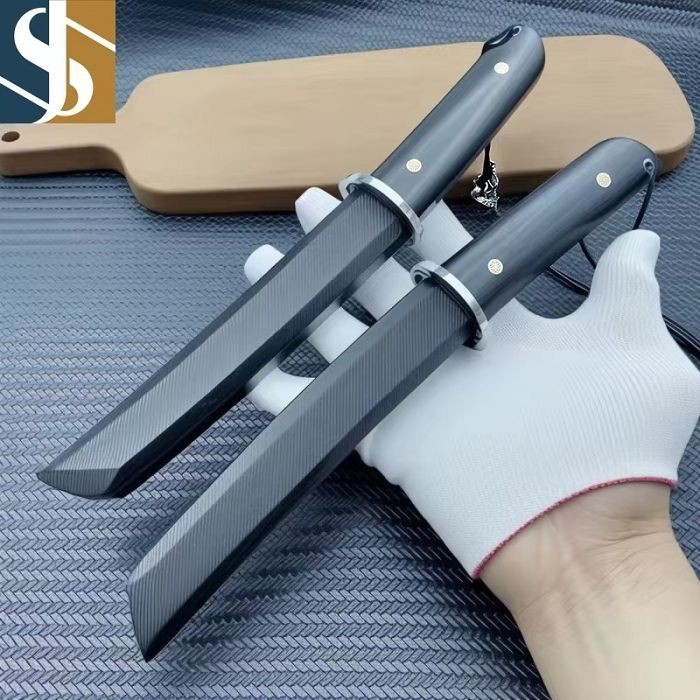
Store the blade in a dry place. Avoid leaving it in a damp environment, as this can cause rust. You can use a blade sheath or a display case to keep it safe.
Why Choose Our Damascus Steel Blades
There are a few reasons why you should choose our Damascus steel blades. Firstly, we have a team of experienced blacksmiths who are passionate about their work. They have years of experience in forging and finishing Damascus steel blades, so you can be sure that you're getting a high - quality product.
Secondly, we offer a wide range of products. Whether you're looking for a large knife, a small folding knife, or a decorative sword, we've got something for you.
Finally, we're committed to customer satisfaction. If you have any questions or concerns about our products, our customer service team is always ready to help.
Contact Us for Procurement
If you're interested in our Damascus steel blades, whether it's for personal use, resale, or as a gift, don't hesitate to get in touch. We're open to business discussions and can offer you competitive prices. Whether you're a retailer looking to stock our products or an individual collector, we'd love to work with you. Just reach out, and we'll start the procurement process together.
References
- "The History of Damascus Steel" by John Smith, published in Ancient Blades Magazine.
- "Modern Forging Techniques for Damascus Steel" by Tom Brown, available in the Journal of Metallurgy and Bladesmithing.