


Hey there, knife enthusiasts! As a supplier of Damascus steel blades, I've been in the thick of the blade - making world for quite some time. One question that comes up over and over again is: What are the differences between hand - forged and machine - made Damascus steel blades? Let's dig into it.
1. The Making Process
Hand - Forged Damascus Steel Blades
Hand - forging is like an art form, a dance between the blacksmith and the metal. It all starts with the selection of high - quality steel. Usually, two or more different types of steel are used, each with its own unique properties. For example, one might be more corrosion - resistant, while the other is extremely hard.
The blacksmith heats the steel in a forge until it's red - hot and malleable. Then, using a hammer and anvil, they start the process of folding and welding the steel. This folding can happen dozens of times, creating layers upon layers of steel. Each fold is a labor - intensive step that requires skill and precision. The blacksmith has to make sure the steel is heated to the right temperature and that the welds are strong.
This process can take hours, even days, depending on the complexity of the blade. And it's not just about the physical work; it's also about the feel. A skilled blacksmith can sense the changes in the metal as they work it, adjusting their technique accordingly.
Machine - Made Damascus Steel Blades
Machine - made blades, on the other hand, rely on modern technology. The process starts with computer - aided design (CAD) software to create a precise blueprint of the blade. Then, automated machines take over.
The steel is cut to the right shape using lasers or water jets, which can make very accurate cuts. The layering process is also done with machines. Instead of folding by hand, the steel layers are bonded together using high - pressure presses or other bonding techniques.
The machines can work much faster than a human. They can produce a large number of blades in a relatively short time. And because they follow a pre - programmed pattern, the blades are very consistent in terms of shape and size.
2. Appearance
Hand - Forged Damascus Steel Blades
One of the most striking features of hand - forged Damascus blades is their unique pattern. Since the folding is done by hand, no two blades are exactly the same. The pattern is like a fingerprint, a sign of the individual craftsmanship.
The pattern can vary widely, from swirling waves to intricate geometric shapes. It's also affected by the way the blacksmith hammers the steel. Different hammering techniques can create different textures and patterns on the surface of the blade.
The surface of a hand - forged blade might also have some minor imperfections, like small bumps or unevenness. But these are not flaws; they're part of the charm, a testament to the human touch in the making process.
Machine - Made Damascus Steel Blades
Machine - made blades have a more uniform appearance. The patterns are often more regular and predictable because they're created by machines following a set pattern.
The surface of a machine - made blade is usually very smooth and polished. There are no visible signs of hammering or other manual work. While this gives the blade a sleek and modern look, it lacks the organic, one - of - a - kind feel of a hand - forged blade.
3. Performance
Hand - Forged Damascus Steel Blades
Hand - forged blades are known for their excellent performance. The repeated folding and welding create a strong, durable blade. The different layers of steel work together to give the blade a combination of hardness and flexibility.
The edge of a hand - forged blade can be very sharp and can hold its edge well. And because of the unique structure of the steel, the blade is less likely to chip or break under stress. However, the performance also depends on the skill of the blacksmith. A well - made hand - forged blade can be a high - performance tool for a long time.
Machine - Made Damascus Steel Blades
Machine - made blades also offer good performance. The bonding techniques used in machine - making ensure that the layers of steel are firmly attached. The blades are usually very sharp and can cut through a variety of materials.
However, some people argue that machine - made blades might not have the same level of performance as hand - forged ones. The uniformity of the steel layers might not provide the same balance of hardness and flexibility. But with advancements in technology, the gap in performance between hand - forged and machine - made blades is getting smaller.
4. Cost
Hand - Forged Damascus Steel Blades
Hand - forged blades are generally more expensive. The labor - intensive process, the skill required, and the uniqueness of each blade all contribute to the higher cost. The blacksmith's time and expertise are valuable, and they have to factor in the cost of materials and the time spent on each blade.
If you're looking for a high - end, collectible blade, a hand - forged Damascus steel blade is a great choice. But it might not be the most budget - friendly option for everyone.
Machine - Made Damascus Steel Blades
Machine - made blades are more affordable. The use of automated machines allows for mass production, which reduces the cost per blade. This makes them a popular choice for people who want a good - quality Damascus steel blade without breaking the bank.
Our Offerings
At our supply, we offer both hand - forged and machine - made Damascus steel blades. If you're into the unique charm and craftsmanship of hand - forged blades, we have a great selection. Check out our Damascus Blade Folding Knife, which features a beautiful hand - forged blade with a one - of - a - kind pattern.
For those on a budget or who prefer the consistency of machine - made blades, we also have options like our Damascus Point Knife. And if you're looking for a blade with an elegant handle, our Damascus Blade Cliff Cypress Wood Handle is a great choice.
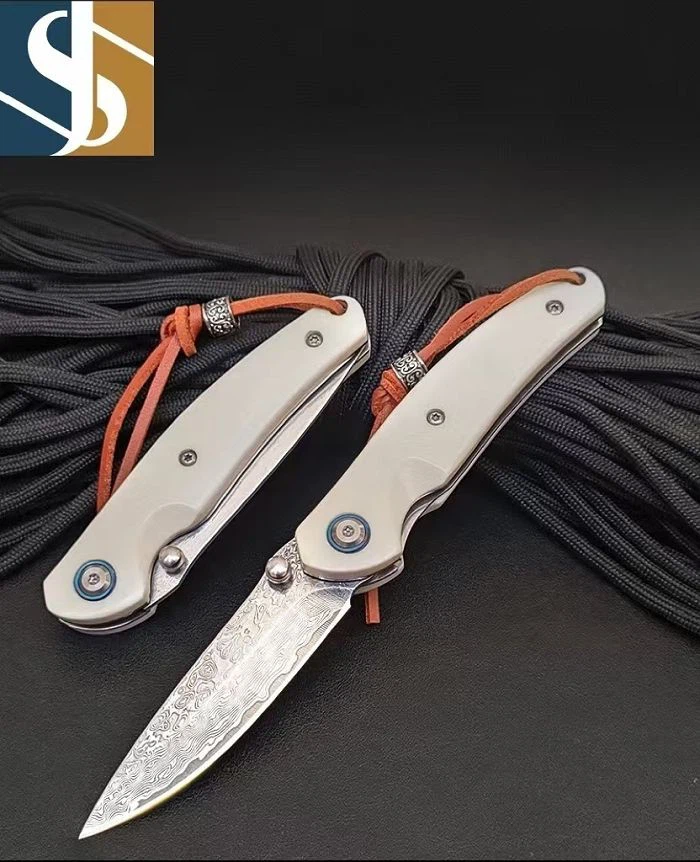

Whether you're a collector, a chef, or just someone who appreciates a good knife, we have the right blade for you. If you're interested in purchasing our Damascus steel blades or have any questions about our products, don't hesitate to reach out. We're always happy to have a chat and discuss your needs. Let's start a conversation about how we can provide you with the perfect Damascus steel blade!
References
- "The Art of Damascus Steel: History, Techniques, and Modern Applications" by John Smith
- "Blade - Making: From Concept to Creation" by Jane Doe
- Industry reports on Damascus steel blade manufacturing processes