


A Damascus pocket knife is a masterpiece of craftsmanship, blending beauty with functionality. As a supplier of these exquisite blades, I understand the importance of keeping them in top - notch condition. Properly sharpening a Damascus pocket knife not only enhances its performance but also preserves its unique aesthetic appeal. In this blog, I'll share some professional tips on how to sharpen your Damascus pocket knife correctly.
Understanding the Damascus Steel
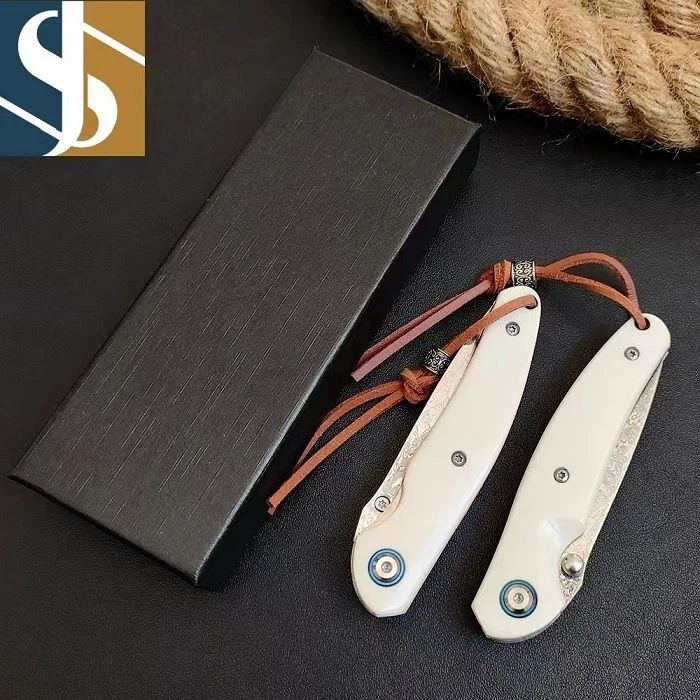
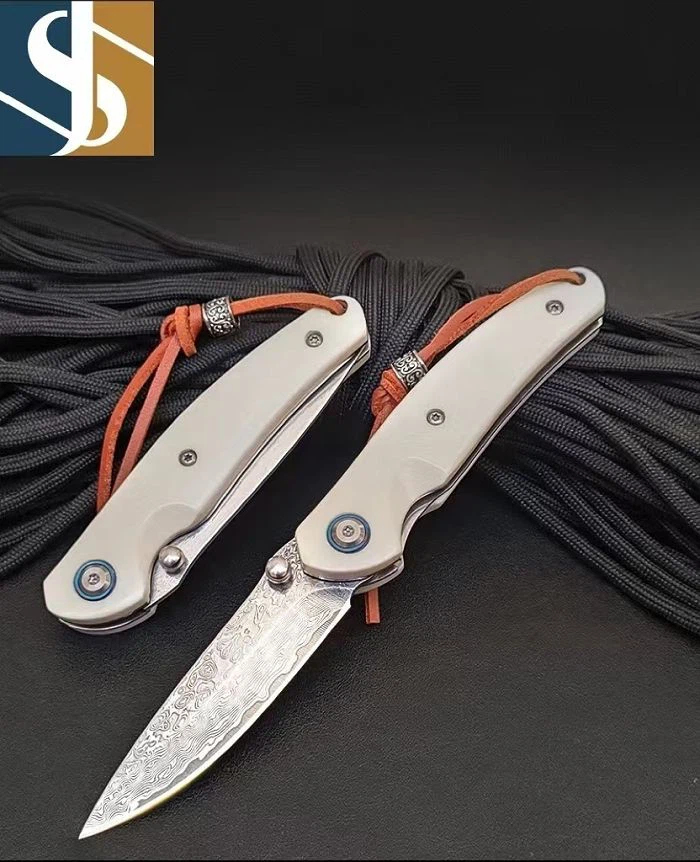
Before we start the sharpening process, it's essential to have a basic understanding of Damascus steel. Damascus steel is known for its distinctive wavy pattern, which is created through a process of forge - welding multiple layers of steel. This multi - layered structure gives the blade both strength and flexibility. However, it also means that sharpening requires a gentle touch to avoid damaging the layers.
Choosing the Right Sharpening Tools
The first step in sharpening a Damascus pocket knife is selecting the appropriate tools. There are several options available, each with its own advantages:
Whetstones
Whetstones are a classic choice for knife sharpening. They come in different grits, which determine the coarseness of the stone. For a Damascus pocket knife, you'll typically want to start with a medium - grit stone (around 1000 - 2000 grit) to remove any dullness and then move on to a fine - grit stone (3000 - 8000 grit) for a polished edge.
Diamond Stones
Diamond stones are another popular option. They are extremely durable and offer a consistent sharpening surface. Diamond stones are available in various grits as well, and they can be a great choice for quickly sharpening a dull blade.
Sharpening Systems
Sharpening systems, such as guided sharpeners, can be a good option for beginners. These systems hold the knife at a consistent angle, making it easier to achieve a uniform edge. Some popular sharpening systems include the Work Sharp Ken Onion Edition Knife Sharpener and the Spyderco Sharpmaker.
Preparing the Knife and Sharpening Tools
Before you start sharpening, make sure your knife is clean. Use a mild soap and water to remove any dirt, debris, or oil from the blade. Dry the blade thoroughly with a clean cloth.
If you're using a whetstone, soak it in water for about 10 - 15 minutes before use. This helps to prevent the stone from clogging with metal particles during the sharpening process. If you're using a diamond stone or a sharpening system, there's no need for soaking.
The Sharpening Process
Now that you've prepared your knife and tools, it's time to start sharpening. Here's a step - by - step guide:
Step 1: Establish the Bevel Angle
The bevel angle is the angle at which the blade meets the sharpening surface. For a Damascus pocket knife, a common bevel angle is between 15 - 20 degrees per side. You can use a sharpening guide or a marker on the blade to help you maintain the correct angle.
Step 2: Start with the Coarse Stone
If you're using a whetstone, place it on a stable surface. Hold the knife at the established bevel angle and place the blade against the stone. Apply light pressure and move the blade across the stone in a sweeping motion, from the heel of the blade to the tip. Make sure to keep the angle consistent throughout the stroke. Repeat this process on the other side of the blade. Do about 10 - 15 strokes on each side.
Step 3: Move to the Fine Stone
Once you've sharpened the blade with the coarse stone, it's time to move on to the fine stone. Repeat the same process as before, but use lighter pressure and more strokes. Aim for about 15 - 20 strokes on each side. This will help to refine the edge and give it a polished finish.
Step 4: Honing
After sharpening with the fine stone, you can use a honing rod to further refine the edge. Hold the honing rod vertically and place the blade against it at the same bevel angle. Move the blade down the rod in a smooth motion, from the heel to the tip. Do about 5 - 10 strokes on each side.
Testing the Edge
Once you've completed the sharpening process, it's time to test the edge. You can do this by gently slicing through a piece of paper or by making a small cut in a piece of wood. If the blade cuts smoothly and cleanly, then you've achieved a sharp edge.
Maintaining the Sharpness
To keep your Damascus pocket knife sharp for longer, it's important to maintain it properly. Here are some tips:
- Clean and dry the blade after each use: This helps to prevent corrosion and rust, which can dull the edge.
- Store the knife properly: Use a knife sheath or a knife block to protect the blade from damage.
- Avoid using the knife on hard surfaces: Using the knife to cut through hard materials, such as bone or metal, can damage the edge.
Recommended Damascus Pocket Knives
As a supplier, I'd like to recommend some of our popular Damascus pocket knives. You can check out our Damascus Sandalwood Handle Tanto Knife, which features a beautiful sandalwood handle and a sharp Damascus blade. Our Mini Damascus Tanto Knife is a great option for those who need a compact and portable knife. And if you prefer a folding knife, our Damascus Blade Folding Knife is a stylish and functional choice.
Contact for Purchase and Negotiation
If you're interested in purchasing our Damascus pocket knives or have any questions about sharpening or maintenance, please feel free to contact us. We're always happy to assist you in finding the perfect knife for your needs and discussing any potential bulk purchase opportunities.
References
- "The Complete Guide to Knife Sharpening" by Dave Munger
- "Knife Sharpening for Beginners" by Tony Bose