


Damascus steel knives are renowned for their exceptional beauty, durability, and cutting performance. However, over time, even the most exquisite Damascus steel blades can lose their luster and become dull. As a trusted supplier of high-quality Damascus steel knives, I understand the importance of maintaining these masterpieces in pristine condition. In this blog post, I'll share some professional tips on how to restore a dull Damascus steel knife and bring back its original glory.
Understanding Damascus Steel
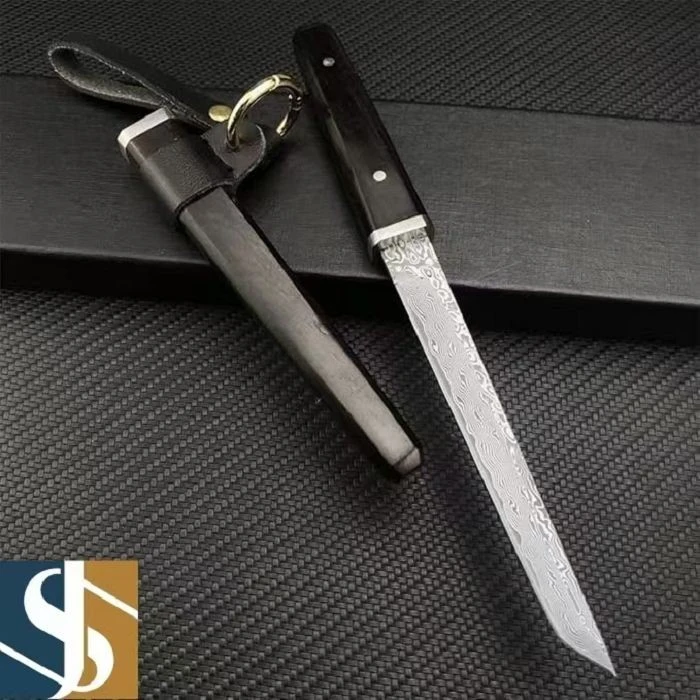
Before diving into the restoration process, it's essential to understand what makes Damascus steel so unique. Damascus steel is a type of steel known for its distinctive wavy patterns, which are created through a process of forging and folding multiple layers of steel together. This not only gives the blade its characteristic appearance but also enhances its strength and sharpness.
However, Damascus steel is also prone to corrosion and staining, especially if not properly cared for. Exposure to moisture, acidic substances, and harsh chemicals can cause the blade to develop rust, discoloration, and a dull finish. To prevent these issues and keep your Damascus steel knife in top condition, it's crucial to follow a regular maintenance routine.
Cleaning the Blade
The first step in restoring a dull Damascus steel knife is to clean the blade thoroughly. This will remove any dirt, debris, and oxidation that may be causing the blade to look dull. Here's how you can do it:
- Prepare a cleaning solution: Fill a small bowl with warm water and add a few drops of mild dish soap. Mix the solution well until it forms a soapy mixture.
- Soak the blade: Carefully place the knife blade in the cleaning solution and let it soak for a few minutes. This will help loosen any stubborn dirt and grime.
- Scrub the blade: Using a soft-bristled brush, gently scrub the blade in a circular motion. Pay special attention to the areas with visible dirt or stains. Avoid using abrasive materials or harsh chemicals, as these can damage the blade's surface.
- Rinse the blade: Once you've finished scrubbing the blade, rinse it thoroughly under running water to remove any soap residue.
- Dry the blade: Use a clean, dry cloth to pat the blade dry. Make sure to dry it completely to prevent any moisture from causing rust or corrosion.
Removing Rust and Stains
If your Damascus steel knife has developed rust or stains, you may need to take additional steps to remove them. Here are some methods you can try:
- Vinegar soak: Fill a small bowl with white vinegar and submerge the blade in the vinegar. Let it soak for a few hours or overnight, depending on the severity of the rust or stains. After soaking, remove the blade from the vinegar and rinse it thoroughly under running water. Then, dry the blade with a clean cloth.
- Baking soda paste: Mix baking soda with water to form a thick paste. Apply the paste to the rust or stains on the blade and let it sit for a few minutes. Then, use a soft-bristled brush to scrub the blade gently. Rinse the blade thoroughly under running water and dry it with a clean cloth.
- Commercial rust remover: If the rust or stains are particularly stubborn, you may want to use a commercial rust remover. Make sure to follow the instructions on the product carefully and wear protective gloves to avoid skin contact. After using the rust remover, rinse the blade thoroughly under running water and dry it with a clean cloth.
Polishing the Blade
Once you've cleaned and removed any rust or stains from the blade, it's time to polish it to restore its shine. Here's how you can do it:
- Choose a polishing compound: There are several types of polishing compounds available, including metal polish, jewelers' rouge, and abrasive pastes. Choose a compound that is suitable for use on Damascus steel and follow the instructions on the product carefully.
- Apply the polishing compound: Using a soft cloth or a polishing wheel, apply a small amount of the polishing compound to the blade. Rub the compound onto the blade in a circular motion, applying gentle pressure.
- Polish the blade: Continue rubbing the blade with the polishing compound until it begins to shine. You may need to apply additional compound and repeat the process several times to achieve the desired level of shine.
- Buff the blade: Once you've finished polishing the blade, use a clean, dry cloth to buff it to a high shine. This will remove any remaining polishing compound and give the blade a smooth, even finish.
Sharpening the Blade
A dull blade is not only ineffective but also dangerous. To restore the cutting performance of your Damascus steel knife, you'll need to sharpen it regularly. Here's how you can do it:

- Choose a sharpening method: There are several methods you can use to sharpen a knife, including using a sharpening stone, a honing rod, or an electric sharpener. Choose a method that you're comfortable with and follow the instructions carefully.
- Prepare the sharpening surface: If you're using a sharpening stone, soak it in water for a few minutes before use. If you're using a honing rod, make sure it's clean and dry.
- Hold the knife correctly: Hold the knife at a 20-degree angle to the sharpening surface. This will ensure that you're sharpening the blade at the correct angle.
- Sharpen the blade: Using a smooth, even motion, run the blade along the sharpening surface. Make sure to apply consistent pressure and keep the blade at the same angle throughout the sharpening process. Repeat this process several times on each side of the blade until it's sharp.
- Test the blade: Once you've finished sharpening the blade, test it by cutting through a piece of paper or a soft material. If the blade cuts smoothly and cleanly, it's sharp enough. If not, you may need to repeat the sharpening process.
Maintaining Your Damascus Steel Knife
To keep your Damascus steel knife in top condition and prevent it from becoming dull again, it's important to follow a regular maintenance routine. Here are some tips to help you maintain your knife:
- Clean the blade after each use: After using your knife, clean it thoroughly with warm water and mild dish soap. Dry it completely to prevent any moisture from causing rust or corrosion.
- Store the knife properly: Store your knife in a dry, cool place, away from moisture and humidity. You can use a knife block, a sheath, or a display case to protect the blade.
- Oil the blade regularly: To prevent rust and corrosion, apply a thin layer of oil to the blade regularly. You can use mineral oil, gun oil, or any other type of oil that is suitable for use on metal.
- Avoid using the knife on hard surfaces: Damascus steel is a relatively soft metal, so it's important to avoid using your knife on hard surfaces, such as glass, ceramic, or stone. This can cause the blade to chip or dull.
- Have the knife professionally serviced: If you're not comfortable sharpening or maintaining your knife yourself, you can have it professionally serviced by a knife sharpening service or a professional cutler.
Conclusion
Restoring a dull Damascus steel knife requires patience, care, and the right tools and techniques. By following the steps outlined in this blog post, you can bring back the shine and cutting performance of your knife and keep it in top condition for years to come.
As a supplier of high-quality Damascus steel knives, I'm committed to providing my customers with the best products and services. If you're interested in purchasing a Damascus steel knife or have any questions about knife maintenance or restoration, please don't hesitate to [contact me for a purchase negotiation]. I'll be happy to assist you.
References
- "The Art of Knife Making" by Jeff Randall
- "Knife Sharpening for Beginners" by Tony J. Bose
- "Damascus Steel: History, Science, and Art" by John Verhoeven