


Handling a resin handle knife properly is crucial to prevent accidents and ensure safe usage. As a resin handle knife supplier, I understand the significance of safety and want to share some valuable insights on how to handle these knives safely.
Understanding Resin Handle Knives
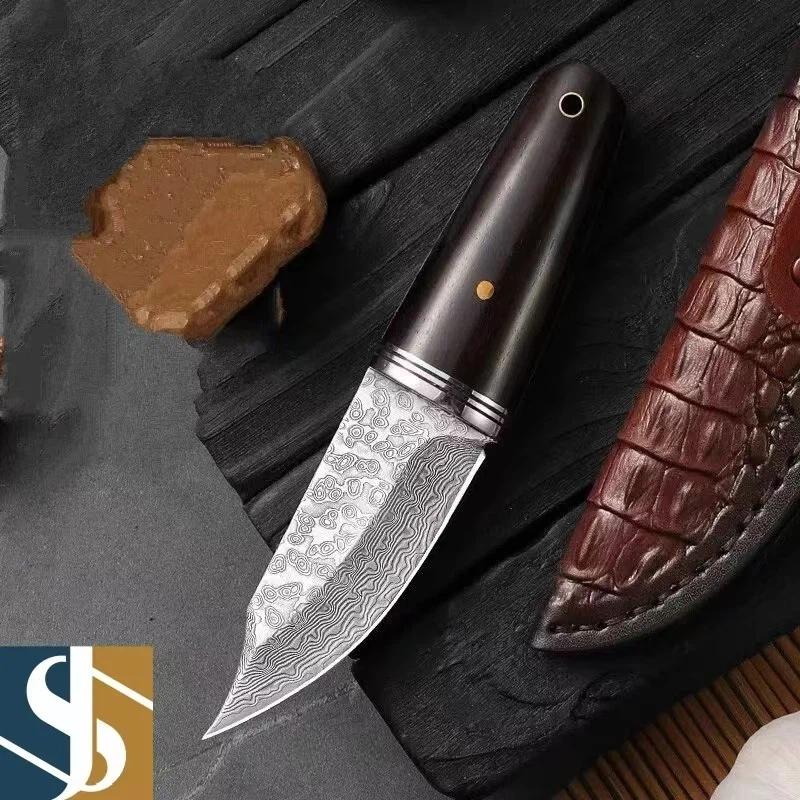
Resin handle knives are known for their durability, aesthetic appeal, and comfort. The resin handle provides a secure grip, which is essential for precise and safe cutting. These knives come in various styles and designs, such as the Damascus Bamboo Handle Tanto Knife, Damascus Wooden Handle Folding Knife, and Damascus Point Knife. Each type of knife has its own unique features and uses, but the basic principles of safe handling remain the same.
Prior to Using the Knife
Inspect the Knife
Before using a resin handle knife, it's important to conduct a thorough inspection. Check the blade for any signs of damage, such as chips, cracks, or dullness. A damaged blade can increase the risk of accidents. Examine the handle as well to ensure it's firmly attached to the blade and there are no loose parts or splinters.
Choose the Right Knife for the Task
Different tasks require different types of knives. For example, a Damascus Point Knife is great for precision work, while a tanto knife is more suitable for heavy-duty cutting. Using the right knife for the job not only makes the task easier but also reduces the risk of accidents.
Wear Appropriate Safety Gear
Depending on the task, it may be necessary to wear safety gear such as gloves and safety glasses. Gloves can protect your hands from cuts and abrasions, while safety glasses can prevent debris from getting into your eyes.
During Knife Use
Maintain a Proper Grip
A proper grip is essential for safe knife handling. Hold the knife firmly but not too tightly, with your fingers wrapped around the handle and your thumb on the side for support. This will give you better control over the knife and reduce the risk of it slipping out of your hand.

Keep the Blade Sharp
A sharp blade is safer than a dull one. A dull blade requires more force to cut, which increases the likelihood of the knife slipping and causing an injury. Regularly sharpen your resin handle knife using a sharpening stone or a knife sharpener.
Use the Knife in a Stable Position
Make sure the surface you're cutting on is stable and flat. Avoid cutting on a slippery or uneven surface, as this can cause the knife to slip. When cutting, keep your body in a balanced position and your feet firmly planted on the ground.
Cut Away from Your Body
Always cut away from your body to prevent any accidental cuts. This is a basic safety rule that should be followed whenever using a knife.
Avoid Distractions
When using a knife, it's important to focus on the task at hand. Avoid distractions such as using your phone, talking to someone, or watching TV. A moment of distraction can lead to a serious accident.
After Using the Knife
Clean the Knife Properly
After using the knife, clean it thoroughly with warm soapy water and dry it immediately. This will prevent the blade from rusting and keep the handle in good condition.
Store the Knife Safely
Store the resin handle knife in a safe place, such as a knife block or a sheath. Keep it out of reach of children and pets. Make sure the blade is covered to prevent any accidental cuts.
Training and Education
Providing proper training and education to users is also an important aspect of preventing accidents. As a supplier, we can offer safety guides and instructions along with our products. Additionally, we can conduct workshops or online tutorials to teach users how to handle resin handle knives safely.
Conclusion
In conclusion, handling a resin handle knife safely requires a combination of proper inspection, correct use, and appropriate storage. By following these guidelines, you can minimize the risk of accidents and ensure a long and safe lifespan for your knife.
If you're interested in purchasing high - quality resin handle knives or have any questions about our products, we encourage you to contact us for a procurement discussion. We're committed to providing you with the best knives and excellent customer service.
References
- “Knife Safety Guidelines,” American Knife and Tool Institute.
- “Safe Knife Handling,” Knife World Magazine.