


When it comes to hunting, having the right knife is crucial. A good hunting knife can make your tasks much easier, whether it's skinning, gutting, or processing the game. Among the many types of knives available, Damascus knives stand out for their unique beauty, excellent performance, and rich history. As a Damascus knife supplier, I'm here to guide you through the process of choosing the perfect Damascus knife for hunting.
Understanding Damascus Steel
First, let's talk about what makes Damascus knives so special. Damascus steel is renowned for its distinctive swirling patterns, which are formed through a unique forging process. This process involves repeatedly folding and welding different types of steel together, resulting in a blade that not only looks stunning but also combines the best properties of each steel layer.

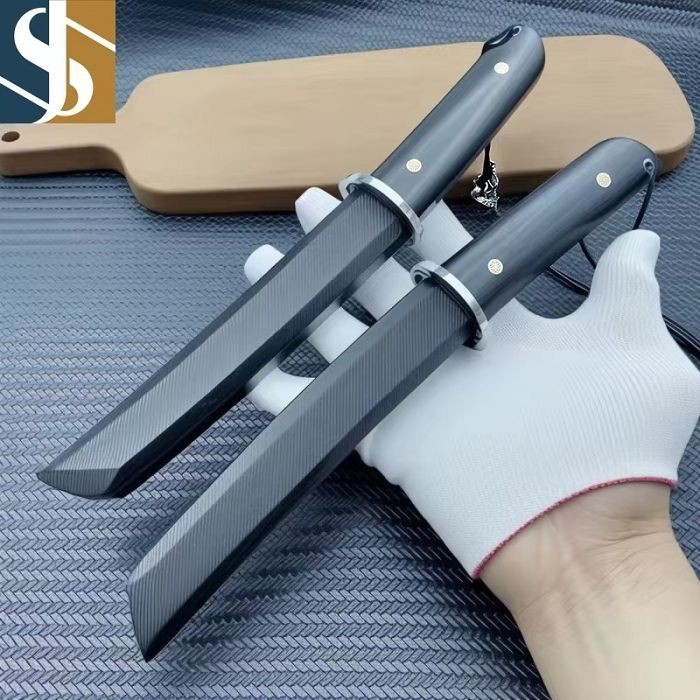
The advantages of Damascus steel for hunting knives are numerous. It offers exceptional edge retention, which means your knife will stay sharp for a long time, even after repeated use. It also has good toughness, allowing it to withstand the rigors of hunting tasks without chipping or breaking easily. Additionally, the beautiful patterns on Damascus steel blades add a touch of elegance to your hunting gear.
Factors to Consider When Choosing a Damascus Hunting Knife
Blade Type
The type of blade you choose depends on the specific hunting tasks you'll be performing. Here are some common blade types for hunting knives:
- Drop Point Blade: This is one of the most popular blade types for hunting. It has a curved spine that slopes down to the tip, providing a strong, versatile blade that's good for both skinning and general cutting tasks. A drop point blade offers a large belly, which is great for making smooth, slicing cuts. Many of our customers prefer the Damascus Steel Ghost Blade with its drop point design, as it combines excellent cutting performance with a sleek, modern look.
- Clip Point Blade: A clip point blade has a sharp, clipped tip that makes it ideal for precision work, such as opening the body cavity of a game animal. It's also useful for making detailed cuts and can be easier to control in certain situations. However, the thin tip may be more prone to breakage if used for heavy-duty tasks.
- Tanto Blade: Tanto blades have a straight spine and a sharp, angled tip. They are known for their piercing ability and are often used in tactical and survival situations. For hunting, a tanto blade can be useful for quickly dispatching a game animal or cutting through tough materials. Check out our Damascus Steel Tanto Knife for a high-quality option.
Blade Length
The length of the blade is another important factor to consider. For hunting, a blade length between 3 and 6 inches is generally recommended. A shorter blade, around 3 to 4 inches, is more maneuverable and is great for detailed work like skinning and boning. It's also easier to carry and handle in tight spaces. On the other hand, a longer blade, around 5 to 6 inches, provides more cutting surface and can be useful for larger game animals or when you need to make long, sweeping cuts.
Handle Material
The handle of the knife is what you'll be holding onto during use, so it's important to choose a comfortable and durable material. Here are some popular handle materials for Damascus hunting knives:
- Wood: Wood handles offer a classic look and feel. They are comfortable to grip and can provide a natural warmth in your hand. However, wood requires some maintenance to prevent it from drying out or cracking. Exotic woods like cocobolo or stabilized wood can add a touch of luxury to your knife.
- Bone: Bone handles, such as beef bone, are another popular choice. They are durable and have a unique texture. Bone handles also tend to be lightweight, which can be an advantage when you're carrying the knife for long periods. Our Mini Damascus Beef Bone Handle Folding Knife features a beautiful beef bone handle that not only looks great but also provides a secure grip.
- G-10: G-10 is a synthetic material made from layers of fiberglass and resin. It's extremely durable, resistant to moisture, and provides a firm grip even when wet. G-10 handles are often textured, which helps prevent slippage during use.
Knife Design
The design of the knife can also affect its performance and usability. Consider the following aspects:
- Full Tang or Partial Tang: A full tang knife has the blade extending all the way through the handle, providing maximum strength and durability. It's a better choice for heavy-duty hunting tasks. A partial tang knife, on the other hand, has the blade only partially extending into the handle. It may be lighter and more affordable, but it may not be as strong as a full tang knife.
- Fixed Blade or Folding Knife: Fixed blade knives are generally more reliable and stronger than folding knives. They are less likely to malfunction during use and are better suited for heavy cutting tasks. Folding knives, on the other hand, are more portable and can be easily carried in your pocket. They are a good option for hunters who need a versatile knife for various tasks.
Quality and Price
When choosing a Damascus hunting knife, it's important to consider the quality and price. High-quality Damascus knives are made using traditional forging techniques and premium materials. They may be more expensive, but they offer better performance and durability in the long run.
However, that doesn't mean you have to break the bank to get a good hunting knife. There are many affordable options available that still offer decent quality. As a supplier, we strive to provide a range of Damascus knives at different price points to meet the needs of all hunters.
Maintenance and Care
Once you've chosen the perfect Damascus hunting knife, it's important to take good care of it to ensure its longevity. Here are some tips for maintaining your knife:
- Keep it Clean: After each use, clean the blade with a mild soap and water. Dry it thoroughly to prevent rusting.
- Sharpen Regularly: A sharp knife is a safe and effective knife. Use a sharpening stone or a knife sharpener to keep the blade in good condition.
- Store Properly: Store your knife in a dry place, preferably in a sheath or a knife case. This will protect the blade from damage and prevent it from getting dull.
Conclusion
Choosing the right Damascus knife for hunting requires careful consideration of several factors, including blade type, length, handle material, design, quality, and price. By taking the time to understand your needs and preferences, you can find a knife that will serve you well on your hunting adventures.
As a Damascus knife supplier, we are committed to providing high-quality knives that meet the needs of hunters of all levels. If you have any questions or need further assistance in choosing the perfect knife, please don't hesitate to contact us for a procurement discussion. We look forward to helping you find the ideal Damascus hunting knife for your next hunting trip.
References
- "The Art of Knife Making" by John J. Nelson
- "Hunting Knives: A Comprehensive Guide" by Tom Brown Jr.