


Hey there, fellow knife enthusiasts! I'm a supplier of Damascus Point Knives, and today I want to chat about how the price of these amazing blades varies with quality.
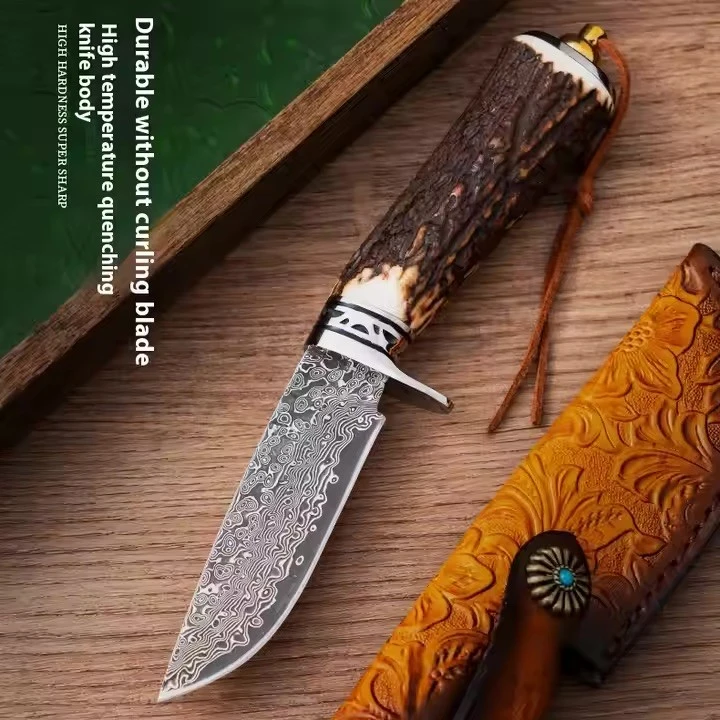
First off, let's understand what makes a Damascus Point Knife so special. Damascus steel is known for its unique pattern and excellent cutting performance. It's created by forging layers of different steels together, resulting in a blade that's not only strong but also has a beautiful, wavy appearance.
When it comes to the price of a Damascus Point Knife, quality is a major factor. There are several aspects of quality that can affect the cost, and I'll break them down for you.
Blade Quality
The blade is the heart of any knife, and in the case of Damascus Point Knives, it's no different. High - quality blades are made from top - grade steels. The purity of the steel used in the Damascus process can vary. Better steels hold an edge longer, resist corrosion better, and are more durable overall.
For instance, some of our premium Damascus Point Knives are made with high - carbon stainless steels. These steels offer a great balance between hardness and toughness. They can be sharpened to a razor - sharp edge and maintain that edge through heavy use. On the other hand, lower - quality blades might use cheaper steels that are more prone to rust and dull quickly.
The forging process also plays a crucial role. A well - forged Damascus blade has a consistent pattern and a strong internal structure. Skilled blacksmiths take their time to ensure that the layers of steel are properly bonded and the pattern is evenly distributed. This attention to detail adds to the cost of the knife. Cheaper knives may have a less precise forging process, resulting in an inconsistent pattern and a weaker blade.
Handle Quality
The handle of a Damascus Point Knife is not just for looks; it also affects the knife's functionality and comfort. There are various materials used for knife handles, and each comes with its own price point.
Let's talk about some popular handle materials. The Damascus Antlers Handle is a luxurious option. Antlers are not only beautiful but also provide a natural grip. They are strong and durable, and each piece has a unique grain pattern. However, sourcing and working with antlers can be expensive, which is reflected in the price of the knife.
Another option is the Rose Wood Handle Knife Damascus. Rosewood is a dense and attractive wood that gives the knife an elegant look. It's also relatively easy to work with, but the quality of rosewood can vary. High - grade rosewood with a rich color and fine grain will cost more than lower - quality wood.
The Damascus Blade Cliff Cypress Wood Handle is also quite popular. Cliff cypress wood has a distinct appearance and a pleasant smell. It's a durable wood that can withstand daily use. However, like other high - quality woods, it can drive up the price of the knife.
Cheaper knives may use plastic or low - grade wood handles. These materials are less expensive to source and work with, but they often lack the durability and aesthetic appeal of higher - end materials.
Craftsmanship and Brand
Craftsmanship is a significant factor in determining the price of a Damascus Point Knife. A knife made by a master blacksmith with years of experience is likely to cost more than one made by an inexperienced worker. Master blacksmiths pay close attention to every detail, from the shaping of the blade to the fitting of the handle. They use traditional techniques that have been passed down through generations, which adds to the value of the knife.

Brand also matters. Well - known brands in the knife industry have built a reputation for quality over time. Customers are often willing to pay a premium for a knife from a trusted brand because they know they're getting a product that has been thoroughly tested and meets high standards. Smaller or lesser - known brands may offer similar knives at a lower price, but they may not have the same level of quality control or brand recognition.
Additional Features
Some Damascus Point Knives come with additional features that can increase their price. For example, a knife with a custom sheath made from high - quality leather or other materials will cost more than one without a sheath. Some knives also have decorative elements such as engravings or inlays. These details not only add to the knife's aesthetic appeal but also require additional time and skill to create, which drives up the price.
Now, let's look at how these factors translate into actual price ranges.
Price Ranges
At the lower end of the spectrum, you can find Damascus Point Knives for around $50 - $100. These knives are usually made with lower - quality steels and handles. They may have a less precise forging process and may not be as durable as higher - end knives. They are suitable for casual users or those on a budget.
Mid - range Damascus Point Knives typically cost between $100 - $300. These knives offer a better balance of quality and price. They often have a decent blade made from good - quality steel, a handle made from a reasonable material, and a more consistent pattern. They are suitable for regular use, whether it's for hunting, camping, or everyday tasks.
At the high end, you can find Damascus Point Knives that cost $300 or more. These are the premium knives, made with top - grade steels, high - quality handles, and exceptional craftsmanship. They are often made by well - known brands or master blacksmiths and may come with custom features. These knives are usually collector's items or for professional users who demand the best.
If you're in the market for a Damascus Point Knife, it's important to consider your needs and budget. Don't just go for the cheapest option, as you may end up with a knife that doesn't perform well or break easily. On the other hand, don't overspend if you're only going to use the knife occasionally.
As a supplier, I'm here to help you find the right Damascus Point Knife for your needs. Whether you're looking for a budget - friendly option or a premium, high - end knife, I can offer you a wide range of choices. If you're interested in purchasing a Damascus Point Knife or have any questions about our products, feel free to reach out and start a procurement discussion. We're always happy to assist you in finding the perfect knife.
References
- "The Art of Knife Making" by David Boye
- "Knife - Making: A Complete Guide" by Jim Hrisoulas