


The grind of an outdoor axe blade is a topic that often goes unnoticed by many, yet it plays a pivotal role in determining the performance and usability of the tool. As a supplier of outdoor axes, I've witnessed firsthand how the right blade grind can transform an ordinary axe into a reliable companion for outdoor enthusiasts. In this blog, I'll delve into the significance of blade grind, exploring its impact on cutting efficiency, durability, and overall user experience.
Understanding Blade Grind
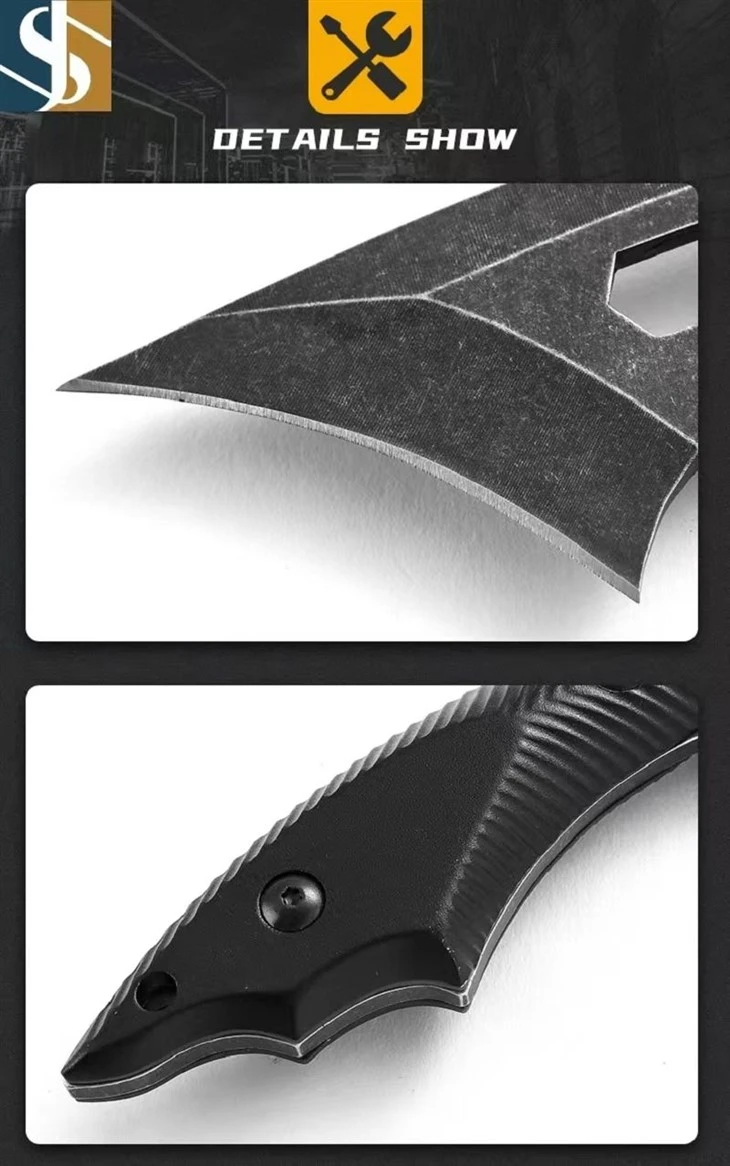
Before we dive into the importance of blade grind, let's first understand what it means. Blade grind refers to the shape and angle of the blade's cutting edge. Different grinds are designed to optimize the axe for specific tasks, such as chopping, splitting, or carving. The most common types of blade grinds include flat grinds, convex grinds, and hollow grinds.
- Flat Grind: A flat grind is the simplest and most straightforward type of blade grind. It features a straight, flat surface from the blade's spine to the cutting edge. This grind provides a strong, durable edge that is ideal for heavy-duty chopping and splitting tasks. However, it may require more effort to sharpen compared to other grinds.
- Convex Grind: A convex grind is characterized by a curved cutting edge that bulges outward. This grind offers a sharp, efficient cutting edge that is well-suited for slicing and carving tasks. The convex shape also helps to distribute the cutting force evenly, reducing the risk of chipping or dulling the blade.
- Hollow Grind: A hollow grind features a concave cutting edge that is ground into the blade's surface. This grind provides a very sharp and precise cutting edge that is ideal for fine carving and detail work. However, it is also the most fragile of the three grinds and may require more frequent sharpening.
Impact on Cutting Efficiency
The grind of an outdoor axe blade has a direct impact on its cutting efficiency. A well-ground blade will slice through wood with ease, requiring less effort from the user. On the other hand, a poorly ground blade will struggle to cut through wood, making the task more difficult and time-consuming.
For example, a flat grind is ideal for chopping and splitting large pieces of wood. The straight, flat surface of the blade provides a strong, stable cutting edge that can withstand the force of heavy blows. This allows the user to make quick, efficient cuts through the wood, reducing the amount of time and energy required to complete the task.
In contrast, a convex grind is better suited for slicing and carving tasks. The curved cutting edge of the blade allows it to glide through the wood smoothly, making it easier to make precise cuts. This is especially useful for tasks such as shaping wood or creating intricate designs.
Durability and Longevity
The grind of an outdoor axe blade also affects its durability and longevity. A well-ground blade will be more resistant to wear and tear, ensuring that it remains sharp and effective for longer periods of time. This is particularly important for outdoor enthusiasts who rely on their axes for extended periods of time.
For example, a flat grind is known for its durability and strength. The straight, flat surface of the blade is less likely to chip or break under heavy use, making it a popular choice for outdoor axes. Additionally, the flat grind is easier to sharpen compared to other grinds, allowing the user to maintain the blade's sharpness over time.
In contrast, a hollow grind is more fragile and may require more frequent sharpening. The concave cutting edge of the blade is more prone to chipping and dulling, especially when used on hard or abrasive materials. However, with proper care and maintenance, a hollow grind can still provide a long-lasting and effective cutting edge.
User Experience
The grind of an outdoor axe blade can also have a significant impact on the user experience. A well-ground blade will be more comfortable to use, reducing the risk of fatigue and injury. This is especially important for outdoor enthusiasts who may be using their axes for extended periods of time.
For example, a convex grind is known for its smooth, comfortable cutting action. The curved cutting edge of the blade allows it to glide through the wood smoothly, reducing the amount of force required to make a cut. This makes the axe easier to control and reduces the risk of hand and wrist fatigue.
In contrast, a flat grind may require more effort to use, especially when making precise cuts. The straight, flat surface of the blade can be more difficult to control, making it more challenging to make accurate cuts. However, with practice and experience, users can learn to use a flat grind effectively and comfortably.
Choosing the Right Blade Grind
When choosing an outdoor axe, it's important to consider the type of tasks you'll be using it for. Different blade grinds are designed to optimize the axe for specific tasks, so it's important to choose a grind that matches your needs.
If you'll be using your axe primarily for chopping and splitting large pieces of wood, a flat grind is a good choice. This grind provides a strong, durable edge that can withstand the force of heavy blows, making it ideal for heavy-duty tasks.
If you'll be using your axe for slicing and carving tasks, a convex grind is a better option. This grind offers a sharp, efficient cutting edge that is well-suited for precise cuts, making it ideal for shaping wood and creating intricate designs.
If you'll be using your axe for fine carving and detail work, a hollow grind is the best choice. This grind provides a very sharp and precise cutting edge that is ideal for delicate tasks, making it ideal for creating detailed carvings and sculptures.
Our Outdoor Axe Selection
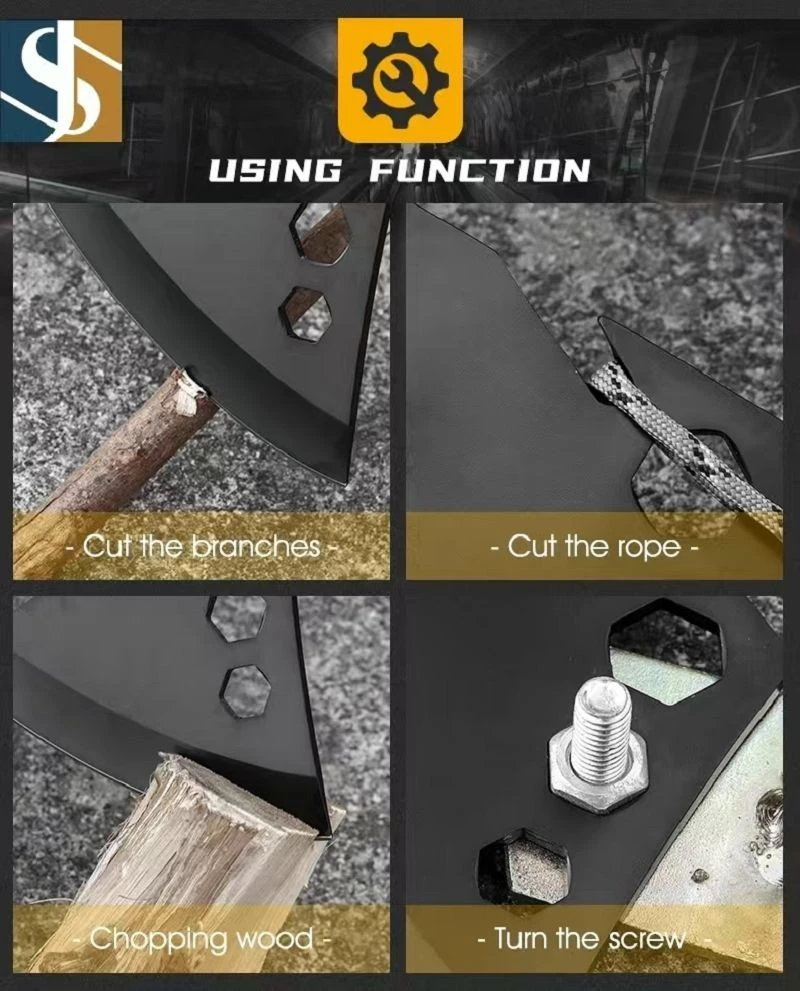
As a supplier of outdoor axes, we offer a wide range of axes with different blade grinds to meet the needs of our customers. Our All Black Multi-functional Axe Rubber Handle features a flat grind, making it ideal for heavy-duty chopping and splitting tasks. The rubber handle provides a comfortable and secure grip, reducing the risk of hand and wrist fatigue.
Our Mini Tomahawk Machete Axe features a convex grind, making it well-suited for slicing and carving tasks. The compact size and lightweight design make it easy to carry and use, making it a popular choice for outdoor enthusiasts.
Conclusion
In conclusion, the grind of an outdoor axe blade is a crucial factor that can significantly impact the performance, durability, and user experience of the tool. By understanding the different types of blade grinds and their applications, you can choose an axe that is best suited for your needs. Whether you're a professional logger or a weekend camper, a well-ground axe can make your outdoor activities more enjoyable and efficient.
If you're interested in learning more about our outdoor axes or would like to discuss your specific needs, please don't hesitate to contact us. We're always happy to help and look forward to working with you.
References
- "The Complete Guide to Axe Sharpening" by James T. Smith
- "Outdoor Tools and Equipment: A Practical Guide" by John Doe
- "Blade Grinding Techniques for Outdoor Knives and Axes" by Jane Smith