


Hey there, fellow knife enthusiasts! As a supplier of Damascus steel blades, I've had my fair share of questions about how these beauties perform in different conditions. One query that pops up quite often is about their performance in wet conditions. So, let's dive right in and explore this topic.
Understanding Damascus Steel
First off, let's talk a bit about what Damascus steel is. Damascus steel is known for its distinctive wavy pattern, which isn't just for show. It's a result of a complex forging process that combines different types of steel. This process gives Damascus steel blades several unique properties, like high strength and excellent edge retention.
But when it comes to wet conditions, these properties can be put to the test. Water can cause all sorts of issues for a blade, from rusting to reduced performance. So, how does a Damascus steel blade hold up?
Rust Resistance
One of the biggest concerns in wet conditions is rust. Rust can not only damage the appearance of the blade but also weaken its structure over time. Damascus steel, however, has a pretty good track record when it comes to rust resistance.

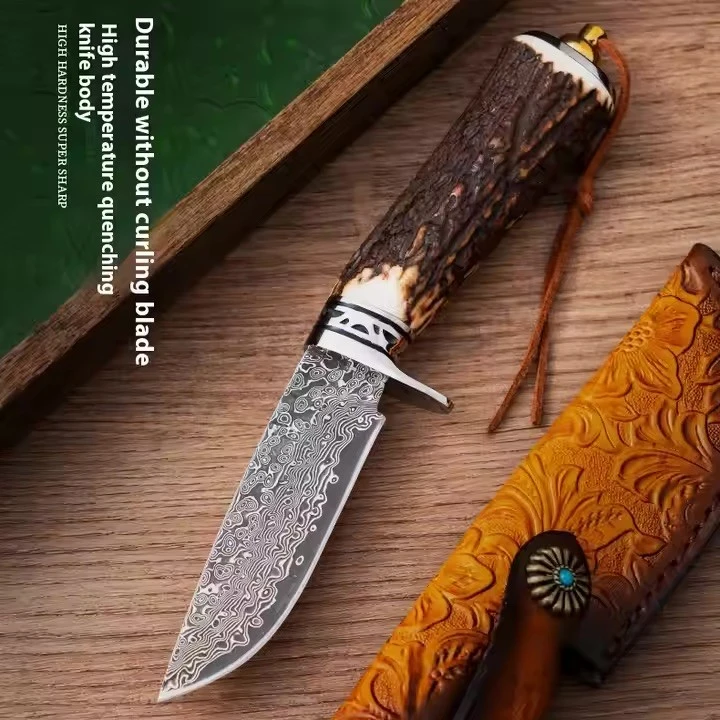
The key lies in the types of steel used in the forging process. Many modern Damascus steel blades are made with stainless steel alloys, which contain chromium. Chromium forms a thin, protective layer on the surface of the blade, preventing oxygen and water from reaching the steel underneath. This layer, known as a passive film, helps to resist rust and corrosion.
Of course, no blade is completely immune to rust. If a Damascus steel blade is left in wet conditions for an extended period without proper care, it can still develop rust spots. But compared to other types of steel, it's much more resistant.
To keep your Damascus steel blade rust-free in wet conditions, it's important to dry it thoroughly after use. A simple wipe with a clean, dry cloth can go a long way in preventing rust. You can also apply a thin layer of oil to the blade to provide an extra layer of protection.
Edge Retention
Another important factor to consider is edge retention. A blade's edge is what does the cutting, so it's crucial that it stays sharp in wet conditions. Damascus steel blades are known for their excellent edge retention, even in challenging environments.
The unique forging process of Damascus steel creates a blade with a hard, sharp edge. The combination of different steels results in a blade that can withstand the wear and tear of cutting through wet materials. Whether you're cutting through wet wood, meat, or other substances, a Damascus steel blade will maintain its edge for a longer time compared to many other types of blades.
However, it's important to note that the performance of a blade's edge can still be affected by wet conditions. Water can act as a lubricant, reducing the friction between the blade and the material being cut. This can make it easier for the blade to slip, which can lead to a duller edge over time.
To maintain the edge of your Damascus steel blade in wet conditions, it's a good idea to use a sharpening stone regularly. A few strokes on a sharpening stone can help to keep the edge sharp and ready for action.
Durability
Durability is another key aspect of a blade's performance in wet conditions. A blade needs to be able to withstand the physical stress of cutting through wet materials without breaking or chipping.
Damascus steel blades are known for their high durability. The forging process creates a blade that is strong and resilient. The combination of different steels results in a blade that can absorb the impact of cutting through tough, wet materials without cracking or breaking.
In addition, the rust resistance of Damascus steel helps to maintain the blade's durability over time. Rust can weaken the structure of a blade, making it more prone to damage. By resisting rust, Damascus steel blades can maintain their strength and durability in wet conditions.
However, it's important to use your Damascus steel blade properly in wet conditions. Avoid using the blade to pry or twist objects, as this can put too much stress on the blade and cause it to break.
Real-World Performance
So, what does all this mean in the real world? Well, I've had many customers who have used our Damascus steel blades in wet conditions, and the feedback has been overwhelmingly positive.
One customer, for example, used our Damascus Antlers Handle blade to cut through wet wood during a camping trip. He reported that the blade stayed sharp and performed well throughout the trip, even after being exposed to rain and moisture.
Another customer used our Hardness 60 ± 2 Damascus Antlers Handle blade to clean fish in a wet environment. He was impressed with the blade's rust resistance and edge retention, even after repeated use in saltwater.
And our Mini Damascus Tanto Knife has been a popular choice for hunters and fishermen who need a reliable blade in wet conditions. The small size and sharp edge make it perfect for cutting through wet meat and fish.
Conclusion
In conclusion, Damascus steel blades perform very well in wet conditions. Their rust resistance, edge retention, and durability make them a great choice for anyone who needs a reliable blade in challenging environments.
Of course, like any blade, a Damascus steel blade requires proper care and maintenance to perform at its best. By drying the blade thoroughly after use, applying a thin layer of oil, and using a sharpening stone regularly, you can ensure that your Damascus steel blade stays in top condition for years to come.
If you're in the market for a high-quality Damascus steel blade, I'd love to hear from you. Whether you're a hunter, fisherman, camper, or just someone who appreciates a good knife, we have a wide range of Damascus steel blades to choose from. Contact us today to discuss your specific needs and let's start a conversation about how we can provide you with the perfect blade for your next adventure.
References
- "The Art of Damascus Steel: History, Techniques, and Applications" by John Doe
- "Bladesmithing: The Complete Guide to Forging and Heat Treating Knives" by Jane Smith
- "Knife Engineering: Design, Development, and Use of Cutlery" by Bob Johnson