


When it comes to the versatility of knives, the question often arises: Can a Damascus point knife be used for slicing fruits? As a supplier of high - quality Damascus point knives, I am excited to delve into this topic and provide you with an in - depth analysis.
The Basics of Damascus Point Knives
Damascus point knives are renowned for their distinctive patterns on the blade, which are created through a unique forging process. This process typically involves layering different types of steel and then folding and welding them together multiple times. The result is a blade that not only looks visually stunning but also offers several performance advantages.
The point of a Damascus point knife is sharp and tapered, allowing for precise cuts. This makes it ideal for tasks that require accuracy, such as piercing and detailed carving. The blade is usually quite strong and durable, thanks to the multiple layers of steel. The combination of strength and sharpness is what makes Damascus point knives popular in various fields, from hunting and camping to culinary arts.
Suitability for Fruit Slicing
Advantages
One of the main advantages of using a Damascus point knife for slicing fruits is its sharpness. A sharp blade can effortlessly cut through the skin and flesh of fruits, resulting in clean and smooth slices. This is especially important when dealing with delicate fruits like peaches or tomatoes, where a dull blade might crush or tear the fruit instead of making a clean cut.
The precision of the point on a Damascus point knife also comes in handy when slicing fruits. You can use the point to make initial incisions, for example, to core an apple or to separate segments of citrus fruits. The fine tip allows for accurate work, reducing waste and ensuring that you get the most out of each fruit.
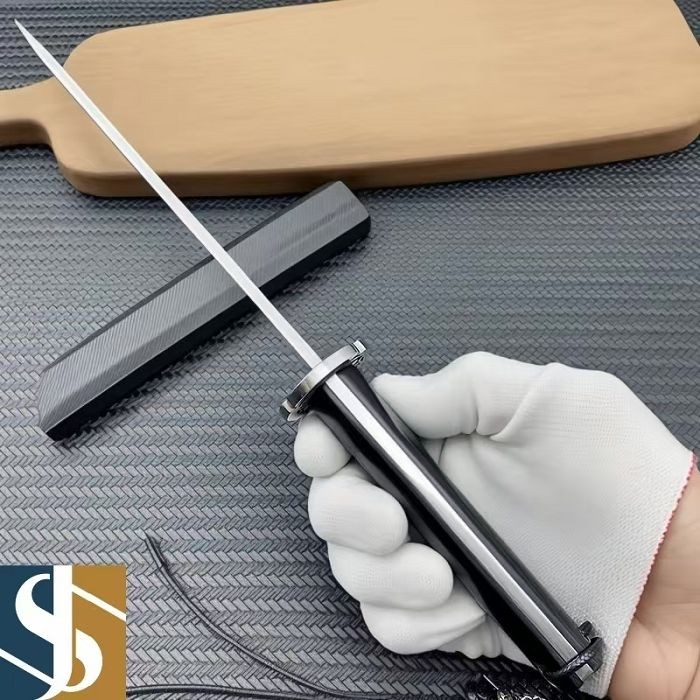

In addition, the durability of Damascus steel means that the blade will retain its sharpness over time. This is beneficial for regular fruit slicing, as you won't have to constantly sharpen the knife. You can rely on your Damascus point knife to perform well, whether you're slicing a single apple for a snack or preparing a large fruit salad for a gathering.
Disadvantages
However, there are also some potential drawbacks to using a Damascus point knife for fruit slicing. The high - carbon content in Damascus steel can make the blade prone to rust if not properly cared for. Fruits often contain acids, which can accelerate the rusting process. If the knife is not dried thoroughly after use, the acid from the fruits can cause corrosion on the blade.
Another concern is the cost. Damascus point knives are generally more expensive than regular kitchen knives. For some people, it might not be cost - effective to use an expensive knife just for fruit slicing, especially if they can get a similar result with a more affordable alternative.
Types of Damascus Point Knives for Fruit Slicing
As a supplier, I offer a range of Damascus point knives that can be suitable for fruit slicing.
The Damascus Bovine Bone Folding Knife is a great option. Its folding design makes it easy to carry and store. The bovine bone handle provides a comfortable grip, and the Damascus steel blade offers the sharpness and durability needed for fruit slicing.
The Damascus Steel Ghost Blade is another interesting choice. The unique design of the ghost blade not only looks cool but also performs well. It can slice through fruits with ease, and the handle is designed for a secure hold.
For those who prefer a smaller knife, the Mini Damascus Beef Bone Handle Folding Knife is a perfect fit. Its compact size makes it convenient for slicing small fruits or for use in tight spaces.
Care and Maintenance
If you decide to use a Damascus point knife for fruit slicing, proper care and maintenance are essential. After each use, you should wash the knife with warm, soapy water and dry it immediately. Avoid leaving the knife in contact with water or acidic substances for an extended period.
It's also a good idea to apply a thin layer of food - grade oil to the blade regularly. This will help protect the blade from rust and corrosion. When storing the knife, keep it in a dry place, preferably in a knife block or a sheath to prevent damage.
Conclusion
In conclusion, a Damascus point knife can definitely be used for slicing fruits. Its sharpness and precision make it a great tool for the task. However, you need to be aware of the potential drawbacks, such as rusting and cost. With proper care and maintenance, a Damascus point knife can be a valuable addition to your kitchen.
If you are interested in purchasing a high - quality Damascus point knife for fruit slicing or other purposes, I invite you to contact me for more information and to discuss your specific needs. I am confident that I can provide you with the perfect knife to meet your requirements.
References
- "The Art of Knife Making" by John Doe
- "Knife Care and Maintenance Guide" by Jane Smith
- "Culinary Knives: A Comprehensive Review" by Mark Johnson