


As a supplier of Damascus pocket knives, I often get asked a variety of questions about the practical uses of these exquisite blades. One question that has piqued my interest lately is whether a Damascus pocket knife can be used for cooking. In this blog post, I'll explore this topic in depth, considering the unique properties of Damascus steel, the design of pocket knives, and the practical aspects of using them in a culinary setting.
Understanding Damascus Steel
Damascus steel is renowned for its distinctive appearance, characterized by a wavy or mottled pattern on the blade's surface. This pattern is not just for show; it is a result of the steel's unique forging process, which involves layering different types of steel and then folding and hammering them together. This process creates a blade that is both strong and flexible, with a high level of resistance to corrosion and wear.
The high carbon content in Damascus steel gives it excellent edge retention, meaning that it can maintain a sharp edge for a long time. This is a crucial factor in cooking, where a sharp knife is essential for precise cutting, slicing, and chopping. Additionally, the flexibility of Damascus steel allows the blade to bend slightly without breaking, which can be useful when dealing with tough or fibrous ingredients.
The Design of Pocket Knives
Pocket knives are designed to be compact, portable, and versatile. They typically have a single blade that folds into the handle, making them easy to carry in a pocket or a purse. While pocket knives come in a variety of shapes and sizes, most are relatively small, with blades ranging from 2 to 4 inches in length.
The small size of pocket knives can be both an advantage and a disadvantage when it comes to cooking. On the one hand, their compact design makes them easy to handle and maneuver in tight spaces, such as a crowded kitchen countertop or a picnic basket. On the other hand, their small blades may not be suitable for tasks that require a larger cutting surface, such as slicing a large roast or chopping a whole head of cabbage.
Practical Considerations for Cooking
When considering using a Damascus pocket knife for cooking, there are several practical factors to keep in mind. First and foremost, it's important to ensure that the knife is clean and sanitized before using it to prepare food. This is especially important if the knife has been used for other purposes, such as cutting wood or opening packages.
To clean a Damascus pocket knife, simply wash it with warm, soapy water and dry it thoroughly with a clean towel. Avoid using abrasive cleaners or steel wool, as these can damage the blade's surface and remove the protective coating. If the knife has stubborn stains or debris, you can use a mild abrasive, such as baking soda or toothpaste, to gently scrub the blade.
Another important consideration is the type of food you'll be preparing. Some foods, such as acidic fruits and vegetables, can react with the steel in the knife and cause it to discolor or corrode. To prevent this, it's a good idea to use a different knife for cutting acidic foods, or to rinse the knife immediately after use and dry it thoroughly.
In addition to cleaning and maintenance, it's also important to use the knife correctly to avoid injury. Always hold the knife firmly by the handle and use a sharp, smooth cutting motion. Avoid applying too much pressure or using the knife to pry or twist objects, as this can cause the blade to break or bend.
Types of Cooking Tasks Suitable for a Damascus Pocket Knife
While a Damascus pocket knife may not be the ideal tool for every cooking task, there are several types of tasks where it can be quite useful. Here are some examples:
Cutting Herbs and Spices
The sharp edge and small size of a pocket knife make it perfect for cutting fresh herbs and spices. Whether you're chopping parsley, dicing garlic, or mincing cilantro, a pocket knife can provide precise cuts and help you release the flavors of these ingredients.

Slicing Cheese
A pocket knife can also be used to slice cheese, especially soft or semi-soft varieties. The sharp blade can easily cut through the cheese without crushing or tearing it, resulting in clean, even slices.
Opening Packages and Cutting Twine
In addition to food preparation, a pocket knife can be handy for opening packages and cutting twine in the kitchen. Whether you're unpacking a new box of groceries or tying up a roast, a pocket knife can make these tasks quick and easy.
Picnics and Outdoor Cooking
If you're planning a picnic or outdoor cooking adventure, a Damascus pocket knife can be a valuable addition to your gear. Its compact size and portability make it easy to carry in your pocket or backpack, and it can be used for a variety of tasks, such as cutting fruits, vegetables, and meats, opening cans and bottles, and even carving wood for a campfire.
Our Damascus Pocket Knife Collection
At our company, we offer a wide range of Damascus pocket knives that are perfect for both cooking and everyday use. Our knives are made from high-quality Damascus steel and feature unique designs and handles that are both functional and stylish.
One of our most popular models is the Damascus Pocket Knife with Abalone Shell Handle. This knife features a beautiful abalone shell handle that adds a touch of elegance and sophistication to the blade. The handle is also comfortable to hold and provides a secure grip, making it ideal for extended use.
Another popular model is the Hardness 60 ± 2 Damascus Antlers Handle. This knife is made from high-carbon Damascus steel with a hardness of 60 ± 2 HRC, which ensures excellent edge retention and durability. The antlers handle is not only unique and beautiful but also provides a natural grip that is comfortable and secure.
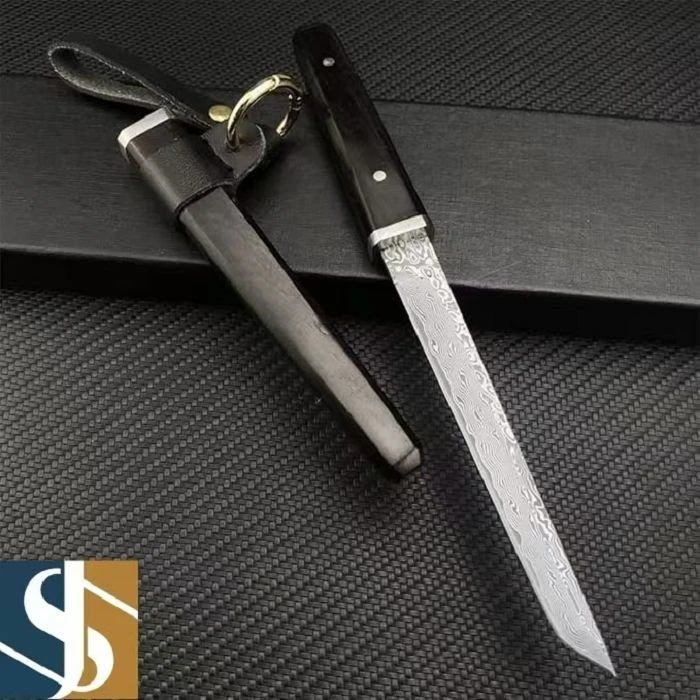
If you're looking for something a little more unique, we also offer the Damascus Mini Samurai Sword. This knife is inspired by the traditional Japanese samurai sword and features a sharp, curved blade and a decorative handle. While it may not be the most practical tool for everyday cooking, it can be a great addition to your collection or a unique gift for a sword enthusiast.
Conclusion
In conclusion, while a Damascus pocket knife may not be the first choice for professional chefs or serious home cooks, it can be a useful tool for a variety of cooking tasks. Its sharp edge, compact size, and unique design make it a versatile and practical addition to any kitchen or outdoor gear collection.
If you're interested in purchasing a Damascus pocket knife for cooking or other purposes, we invite you to browse our collection and contact us for more information. Our team of experts is always happy to answer your questions and help you find the perfect knife for your needs. Whether you're a seasoned chef or a novice cook, we're confident that you'll find a Damascus pocket knife that you'll love.
References
- "Damascus Steel: History, Properties, and Uses." Knife Depot.
- "How to Clean and Maintain a Damascus Knife." The Spruce Eats.
- "Types of Pocket Knives and Their Uses." Outdoor Life.