


Are there any cultural associations with Damascus Pocket Knives?
As a supplier of Damascus Pocket Knives, I've often been intrigued by the rich tapestry of cultural associations that these remarkable blades carry. Damascus knives are not just tools; they are artifacts steeped in history, tradition, and symbolism.
The origins of Damascus steel, the material that gives these pocket knives their distinctive appearance and superior performance, can be traced back over a thousand years. It was first developed in the Middle East, specifically in the region around Damascus, Syria. The exact process of creating Damascus steel was a closely guarded secret, passed down through generations of skilled blacksmiths. The steel was known for its unique wavy pattern, which was not only aesthetically pleasing but also an indication of its exceptional strength and sharpness.
In the Islamic world, the Damascus knife held a special place. It was not only a practical tool for everyday tasks but also a symbol of honor, status, and craftsmanship. Warriors would carry Damascus swords and knives into battle, believing that the blades were imbued with magical properties that would protect them and bring them victory. The intricate patterns on the steel were often seen as a sign of divine intervention, and the knives were sometimes adorned with religious inscriptions and symbols.
During the Crusades, European knights were introduced to Damascus steel and were immediately impressed by its quality. They brought these knives back to Europe, where they became highly sought after by nobles and collectors. The Damascus knife became a symbol of wealth and prestige, and owning one was a sign of social standing. In fact, many European blacksmiths attempted to replicate the Damascus steel process, but it wasn't until the 19th century that the secret was finally cracked.
In addition to its martial and aristocratic associations, the Damascus pocket knife also has a long history of use in traditional trades and crafts. In the Middle East, it was commonly used by farmers, fishermen, and artisans for tasks such as cutting ropes, preparing food, and carving wood. The knife's versatility and durability made it an essential tool in many different industries.
Today, the cultural significance of Damascus pocket knives continues to evolve. While they are still prized for their historical and aesthetic value, they are also popular among modern knife enthusiasts and collectors. Many people are drawn to the unique patterns and designs of Damascus steel, as well as the craftsmanship and attention to detail that goes into making each knife.
At our company, we offer a wide range of Damascus pocket knives, each with its own unique cultural and historical significance. For example, our Rose Wood Handle Knife Damascus combines the beauty of rosewood with the strength and durability of Damascus steel. The rosewood handle is not only visually appealing but also provides a comfortable and secure grip.
Another popular model is our Damascus Steel Ghost Blade. This knife features a unique ghost-like pattern on the blade, which is created through a special heat treatment process. The pattern is not only eye-catching but also adds to the knife's overall strength and performance.
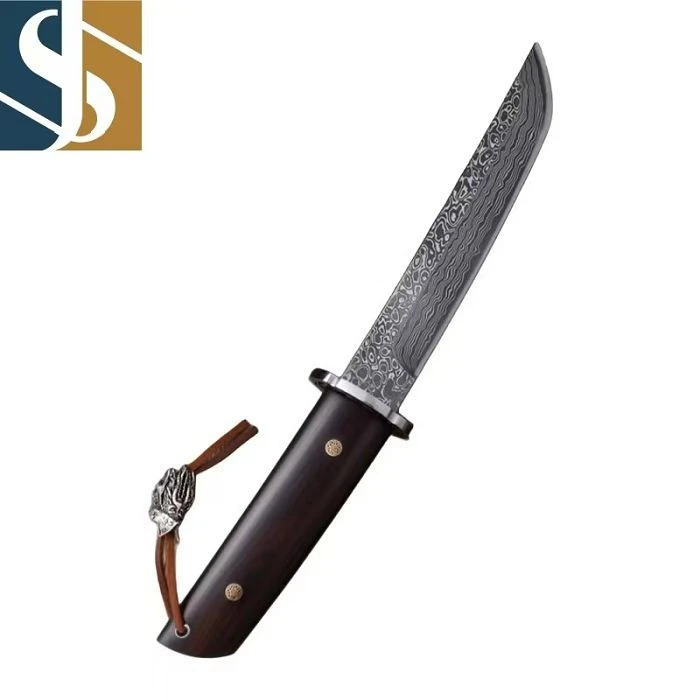
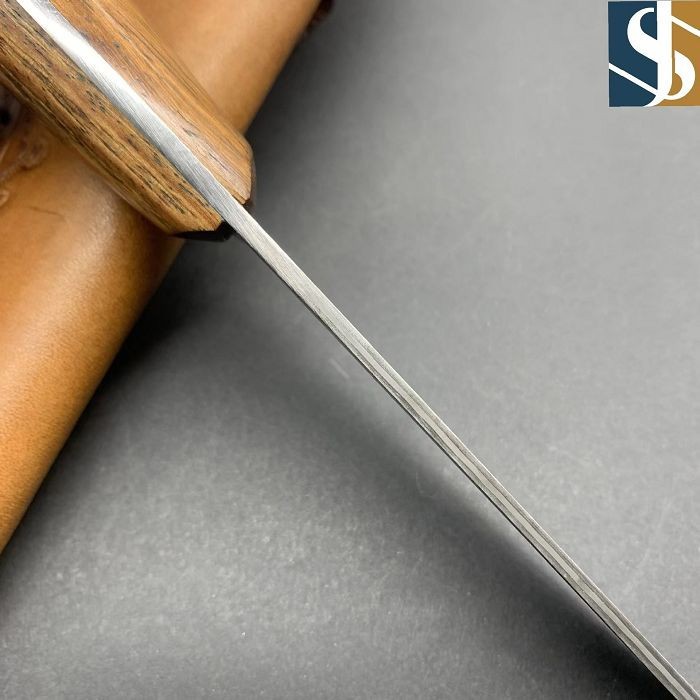
For those who prefer a smaller, more compact knife, our Mini Damascus Tanto Knife is a great choice. The tanto blade design is known for its sharpness and durability, making it ideal for a variety of tasks.
Whether you're a collector, a knife enthusiast, or someone who simply appreciates the beauty and craftsmanship of Damascus pocket knives, we invite you to explore our collection. We are committed to providing our customers with high-quality knives that are not only functional but also carry a rich cultural heritage.
If you're interested in purchasing a Damascus pocket knife or have any questions about our products, please don't hesitate to contact us. We would be happy to assist you with your purchase and provide you with more information about the cultural associations and history of these remarkable blades.
References
- "The History of Damascus Steel" by John T. Luttig
- "Knives: A Global History" by Ian G. Brown
- "The Art of the Knife" by Jeff Randall