


When it comes to the world of knives, the handle is not just a functional component but also a significant factor in determining the overall cost. As a supplier of resin handle knives, I often encounter the question: Are resin handle knives more expensive than other handle types? In this blog, we'll delve into the intricacies of knife handle materials, compare resin with other popular options, and explore the factors that influence the pricing of knives with different handles.
Understanding Knife Handle Materials
Before we compare the costs, it's essential to understand the common types of knife handle materials. Each material has its unique characteristics, advantages, and disadvantages, which ultimately affect the price of the knife.
Resin Handles
Resin is a synthetic material that offers a wide range of design possibilities. It can be molded into various shapes, colors, and patterns, allowing for highly customized and aesthetically pleasing knife handles. Resin is also durable, resistant to moisture, and easy to clean, making it a popular choice for both everyday use and high - end collectible knives.
Wood Handles
Wood has been used for knife handles for centuries. It provides a natural and warm feel, and different types of wood, such as sandalwood, walnut, and bamboo, have distinct grains and colors that add to the knife's beauty. However, wood requires more maintenance than resin. It can be susceptible to moisture, which may cause warping or cracking over time.
Metal Handles
Metal handles, such as those made of stainless steel or titanium, offer excellent durability and strength. They are often used in tactical and heavy - duty knives. Metal handles can be heavy, which may not be suitable for all users, and they can also be more expensive to manufacture due to the cost of materials and the complexity of the manufacturing process.
Bone and Horn Handles
Bone and horn handles are made from natural materials, giving each knife a unique look. They are relatively lightweight and have a smooth texture. However, sourcing these materials can be challenging and expensive, especially if they are from high - quality or rare sources.
Factors Affecting the Price of Knife Handles
Several factors contribute to the price of a knife handle, regardless of the material:
Material Cost
The cost of the raw material is a significant factor. For example, exotic woods or rare metals will be more expensive than common materials. Resin, on the other hand, can be relatively inexpensive in terms of raw material cost, but high - quality resin or resin with special additives can increase the price.
Manufacturing Complexity
The manufacturing process for the handle also affects the price. Handles that require intricate carving, inlay work, or precise molding will be more expensive to produce. Resin handles can be mass - produced relatively easily, but custom - made resin handles with complex designs can be costly.
Brand and Reputation
Well - known knife brands often charge a premium for their products. A brand with a reputation for quality and craftsmanship may price their resin handle knives higher than lesser - known brands, even if the materials and manufacturing processes are similar.
Market Demand
The demand for a particular handle material can also influence the price. If a certain type of wood or resin becomes trendy, the price may increase due to higher demand.

Comparing the Costs: Resin vs. Other Handle Types
Resin vs. Wood
In general, resin handles can be more cost - effective than high - end wood handles. Exotic woods like sandalwood are rare and expensive, driving up the price of knives with sandalwood handles. For example, our [Damascus Sandalwood Handle Tanto Knife](/damascus - knife/damascus - sandalwood - handle - tanto - knife.html) is priced higher due to the use of sandalwood. On the other hand, resin can be produced in large quantities at a lower cost, making resin handle knives more accessible for budget - conscious consumers. However, if you are looking for a knife with a natural, organic look and don't mind the maintenance, a wood - handled knife may be worth the investment.
Resin vs. Metal
Metal handles, especially those made of high - quality titanium or stainless steel, can be quite expensive. The cost of the metal itself, along with the machining and finishing processes, adds to the overall price. Resin handles are generally lighter and less expensive to produce, making resin handle knives a more affordable option. Our [Damascus Point Knife](/damascus - knife/damascus - point - knife.html) with a resin handle offers a good balance between cost and performance compared to similar models with metal handles.
Resin vs. Bone and Horn
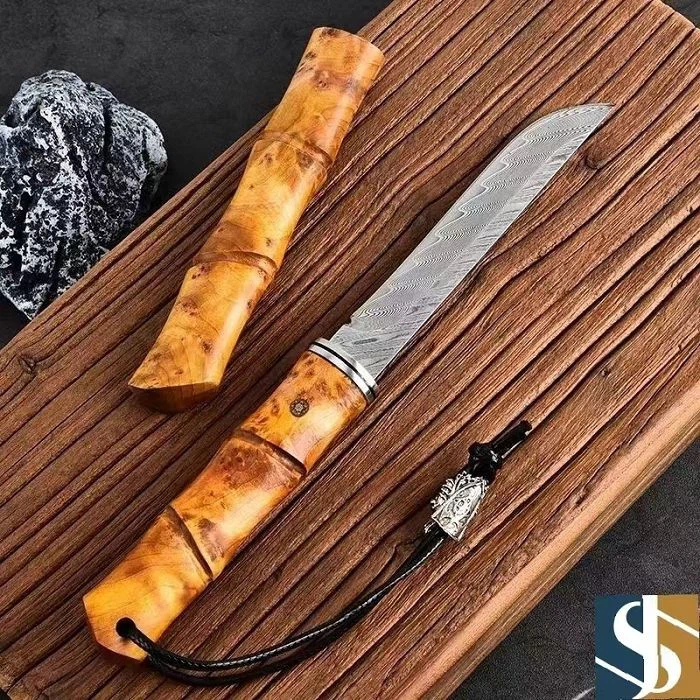
Bone and horn handles are often considered luxury items due to their natural beauty and uniqueness. Sourcing these materials ethically and ensuring their quality can be costly. Resin handles can mimic the look of bone and horn at a fraction of the price. They are also more durable and less prone to damage from environmental factors. Our [Damascus Bamboo Handle Tanto Knife](/damascus - knife/damascus - bamboo - handle - tanto - knife.html) is an example of a knife where resin can be a cost - effective alternative to bone or horn handles.
Advantages of Resin Handle Knives
Beyond the cost, resin handle knives offer several advantages:
Customization
Resin can be easily customized to create unique designs. You can add pigments, fibers, or other materials to the resin to achieve a one - of - a - kind look. This makes resin handle knives a great choice for collectors or those who want a personalized knife.
Durability
Resin is resistant to moisture, chemicals, and impact. It won't warp, crack, or rot like wood, and it's less likely to scratch or dent compared to some other materials. This means that resin handle knives can last a long time with proper care.
Comfort
Resin handles can be ergonomically designed to fit the hand comfortably. They can be molded to provide a secure grip, reducing the risk of slippage during use.

Conclusion
So, are resin handle knives more expensive than other handle types? The answer is not straightforward. In many cases, resin handle knives can be more affordable, especially when compared to knives with high - end wood, metal, bone, or horn handles. However, the price can vary depending on factors such as brand, design complexity, and market demand.
If you're in the market for a new knife, resin handle knives offer a great combination of affordability, durability, and customization. Whether you're a collector, a professional chef, or an outdoor enthusiast, there's a resin handle knife that's right for you.
If you're interested in learning more about our resin handle knives or would like to discuss a potential purchase, we're here to help. Contact us to start a conversation about your specific needs and preferences. We look forward to working with you to find the perfect knife for your collection or everyday use.
References
- "The Art of Knife Making" by John J. Nelson
- "Knife Handles: Materials and Techniques" by Mark Ferraretto
- Industry reports on knife manufacturing and materials costs