


Are high - quality kitchen knives made in specific regions better?
As a high - quality knife supplier, I've been in the cutlery industry for quite some time, and one question that often comes up is whether high - quality kitchen knives made in specific regions are truly better. This is a complex topic that involves a variety of factors, from traditional craftsmanship to modern manufacturing techniques, and regional material availability.
Regional Craftsmanship and Tradition
Certain regions around the world have long - standing reputations for producing exceptional kitchen knives. Take Japan, for example. Japanese knife - making has a history that spans centuries, with a focus on precision, sharpness, and balance. Japanese blacksmiths often use traditional forging methods, such as the differential hardening process. This technique involves heating and quenching the blade in a way that creates a hard cutting edge while maintaining a more flexible spine. The result is a knife that can hold an incredibly sharp edge, making it ideal for tasks like slicing sashimi or finely chopping vegetables.
German knife - making also has a rich heritage. German knives are known for their durability and strength. The Solingen region in Germany is particularly famous for its cutlery. German manufacturers typically use high - carbon stainless steel, which is resistant to corrosion and can withstand heavy use. Their knives often have a thicker blade profile, making them well - suited for tasks that require more force, such as chopping through bones or dense root vegetables.
In contrast, Italian knife - making emphasizes elegance and style. Italian knives are often crafted with a focus on the overall aesthetic, using high - quality materials for both the blade and the handle. Italian artisans pay close attention to the details of the knife's design, from the shape of the blade to the finish of the handle. This combination of functionality and beauty makes Italian knives popular not only in professional kitchens but also for home cooks who appreciate a well - designed tool.
Material Availability
The availability of raw materials in a particular region can significantly impact the quality of the knives produced there. For instance, the high - quality steel used in Japanese knives is often sourced from local mines. The unique composition of this steel, combined with the traditional forging techniques, contributes to the knife's superior performance.
In the case of German knives, the local steel industry provides access to high - grade stainless steel. The quality and consistency of this steel allow German manufacturers to produce knives with excellent edge retention and durability.

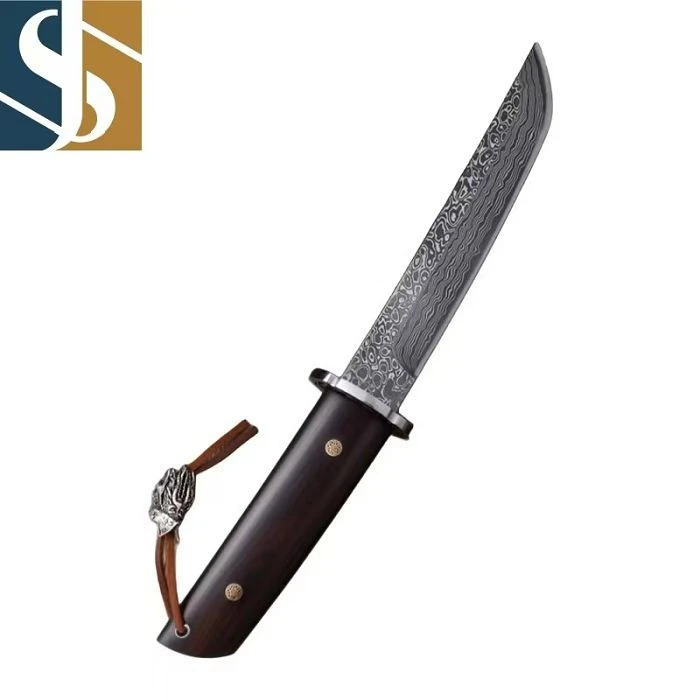
Some regions are also known for their unique handle materials. For example, in some parts of the world where exotic woods are abundant, knife - makers use these woods to create beautiful and ergonomic handles. Rosewood, for instance, is a popular choice for knife handles due to its rich color and smooth texture. You can check out our Rose Wood Handle Knife Damascus which showcases the beauty of this material combined with a high - quality damascus steel blade.
Modern Manufacturing and Globalization
In today's globalized world, the boundaries between regional knife - making are becoming less distinct. Many manufacturers now source materials from different parts of the world and use advanced manufacturing techniques that are not limited to a particular region. For example, a knife manufacturer in the United States might use Japanese - style blade geometry and German - made steel to create a hybrid knife that combines the best of both worlds.
However, this doesn't mean that regional traditions are disappearing. In fact, many modern knife - makers are still influenced by the traditional techniques of their respective regions. They may incorporate modern technologies, such as computer - aided design and precision machining, but they also pay homage to the time - honored methods of their predecessors.
Quality and Performance
When it comes to determining whether high - quality kitchen knives made in specific regions are better, it ultimately depends on the user's needs and preferences. If you're a professional chef who needs a knife for delicate slicing and precision work, a Japanese knife might be the best choice. Its razor - sharp edge and lightweight design make it ideal for tasks that require finesse.
On the other hand, if you're a home cook who often deals with tough ingredients and needs a knife that can handle heavy - duty tasks, a German knife might be more suitable. Its sturdy construction and thick blade can withstand the rigors of everyday use.
Our company offers a wide range of high - quality knives that cater to different needs. For those who appreciate the beauty and performance of damascus steel, we have the Damascus Steel Ghost Blade. This knife features a unique damascus pattern on the blade, which not only looks stunning but also provides excellent edge retention.
If you're looking for a more portable option, our Damascus Pocket Knife with Abalone Shell Handle is a great choice. The abalone shell handle adds a touch of luxury, while the damascus steel blade ensures durability and sharpness.
Conclusion
In conclusion, while high - quality kitchen knives made in specific regions often have unique characteristics and advantages, the best knife for you depends on your specific requirements. Regional craftsmanship, material availability, and modern manufacturing all play a role in determining the quality and performance of a knife.
Whether you're a professional chef, a home cook, or someone who simply appreciates a well - made knife, we invite you to explore our collection. If you're interested in purchasing our high - quality knives or have any questions about our products, we encourage you to contact us for a procurement discussion. We're committed to providing you with the best knives that meet your needs and exceed your expectations.
References
- "The Art of Knife - Making: A Global Perspective" by John Smith
- "Japanese Knives: Tradition and Innovation" by Hiroshi Tanaka
- "German Cutlery: A Legacy of Quality" by Karl Schmidt