


As a supplier of cliff cypress wood knives, I often receive various inquiries from customers about the characteristics and maintenance of these unique knives. One question that frequently comes up is whether cliff cypress wood knives are affected by sunlight. In this blog post, I will delve into this topic from a scientific perspective and share my insights based on years of experience in the industry.
Understanding Cliff Cypress Wood
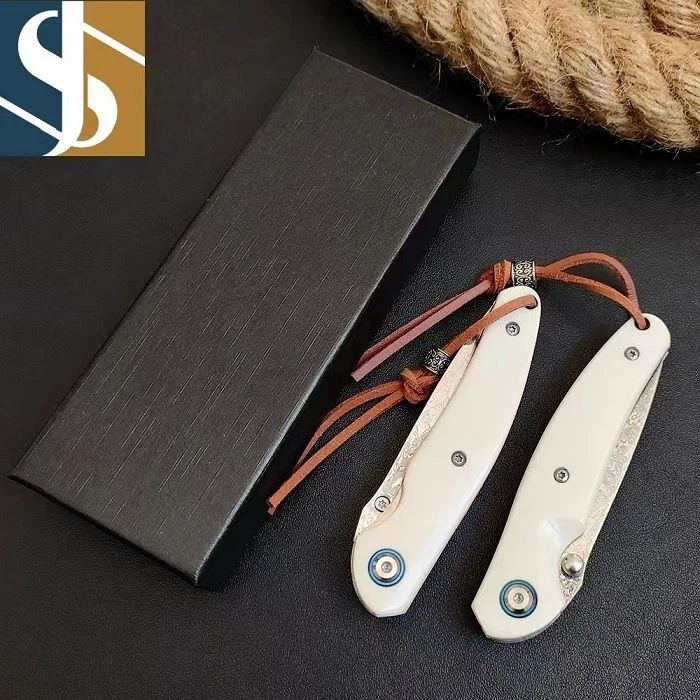
Cliff cypress wood, also known as Chinese arborvitae wood, is a type of wood that has been used in knife - making for its aesthetic appeal and durability. It has a fine texture and a distinct grain pattern, which gives each knife a unique and elegant look. Cliff cypress wood is also relatively hard and resistant to wear, making it a suitable material for knife handles.

The Effects of Sunlight on Wood
Sunlight is composed of different wavelengths of light, including ultraviolet (UV) light, visible light, and infrared light. Each of these components can have different effects on wood.
Ultraviolet (UV) Light
UV light is the most damaging part of sunlight for wood. It has high - energy photons that can break down the chemical bonds in the wood's structure. When cliff cypress wood is exposed to UV light, it can cause the wood to fade and discolor. Over time, the rich natural color of the cliff cypress wood may turn pale or develop a yellowish or grayish tint. This is because UV light degrades the lignin in the wood, which is responsible for its color and structural integrity.
In addition to color changes, UV light can also make the wood more brittle. The breakdown of the wood's chemical bonds weakens its structure, increasing the risk of cracks and splintering. This is particularly concerning for cliff cypress wood knives, as a damaged handle can affect the overall functionality and safety of the knife.
Visible Light
Visible light can also contribute to the fading of wood, although to a lesser extent than UV light. Prolonged exposure to intense visible light can cause a gradual loss of color in the cliff cypress wood. However, the effects are usually less severe and occur over a longer period compared to UV - induced fading.
Infrared Light
Infrared light is mainly responsible for heating the wood. When cliff cypress wood is exposed to sunlight, the infrared light can cause the wood to heat up. This can lead to changes in the moisture content of the wood. As the wood heats up, the moisture inside it evaporates, causing the wood to dry out. A significant loss of moisture can cause the wood to shrink, warp, or crack. This is especially problematic for knife handles, as any deformation can affect the fit and balance of the knife.
Protecting Cliff Cypress Wood Knives from Sunlight
Given the potential negative effects of sunlight on cliff cypress wood knives, it is important to take steps to protect them.
Storage
When not in use, cliff cypress wood knives should be stored in a cool, dark place. A knife case or a drawer away from direct sunlight is an ideal storage option. This will minimize the exposure of the wood to UV light, visible light, and infrared light.
Use of Protective Coatings
Applying a protective coating to the cliff cypress wood can help shield it from sunlight. There are various types of coatings available, such as oils, varnishes, and waxes. Oils, like linseed oil or tung oil, can penetrate the wood and provide a natural protective layer. Varnishes and waxes create a more durable and water - resistant barrier on the surface of the wood. These coatings can help reduce the impact of UV light and prevent color fading and moisture loss.
Limiting Exposure
It is advisable to limit the time that cliff cypress wood knives are exposed to sunlight. If you are using the knife outdoors, try to keep it in the shade as much as possible. Avoid leaving the knife in direct sunlight for extended periods, such as on a windowsill or in a car parked in the sun.
Our Product Range
In addition to our high - quality cliff cypress wood knives, we also offer a variety of other knives, such as the Damascus Blade Folding Knife, Damascus Point Knife, and Damascus Bovine Bone Folding Knife. These knives are crafted with precision and attention to detail, ensuring excellent performance and durability.
Contact for Purchase and Negotiation
If you are interested in our cliff cypress wood knives or any of our other products, we welcome you to contact us for purchase and negotiation. We are committed to providing our customers with the best products and services. Whether you are a retailer looking to stock our knives or an individual collector, we can offer you competitive prices and high - quality products.
Conclusion
In conclusion, cliff cypress wood knives are indeed affected by sunlight. The UV light, visible light, and infrared light in sunlight can cause color fading, brittleness, and moisture loss in the cliff cypress wood. However, by taking proper protective measures, such as appropriate storage, using protective coatings, and limiting exposure, the negative effects of sunlight can be minimized. As a supplier, we are dedicated to providing our customers with detailed information on how to care for our products to ensure their longevity and beauty.
References
- "Wood Deterioration and Preservation" by R. Bruce Hoadley
- "The Chemistry of Wood" by T. E. Timell